Texas Industrial Supply Company

304 Stainless Steel Pipes are among the most widely used and trusted piping solutions across industries. Known for their impressive corrosion resistance, durability, and adaptability, these pipes are a top choice for applications ranging from food processing and marine environments to structural and architectural projects. In this guide, we’ll cover everything you need to know about 304 stainless steel pipes – what they are, how they’re made, where they’re used, and how they compare to other stainless steel pipe grades.


What Is Grade 304 Stainless Steel? Meaning, Common Uses, and Why It’s Popular

Grade 304 is a type of austenitic stainless steel, which means it belongs to the 300 series of stainless steel that is primarily made from iron, chromium, and nickel. The number “304” simply refers to its position in the American Iron and Steel Institute (AISI) grading system.
It is non-magnetic, corrosion-resistant, and easy to form and weld – making it one of the most commonly used stainless steel grades across multiple industries.

Call Us: 888-841-7954

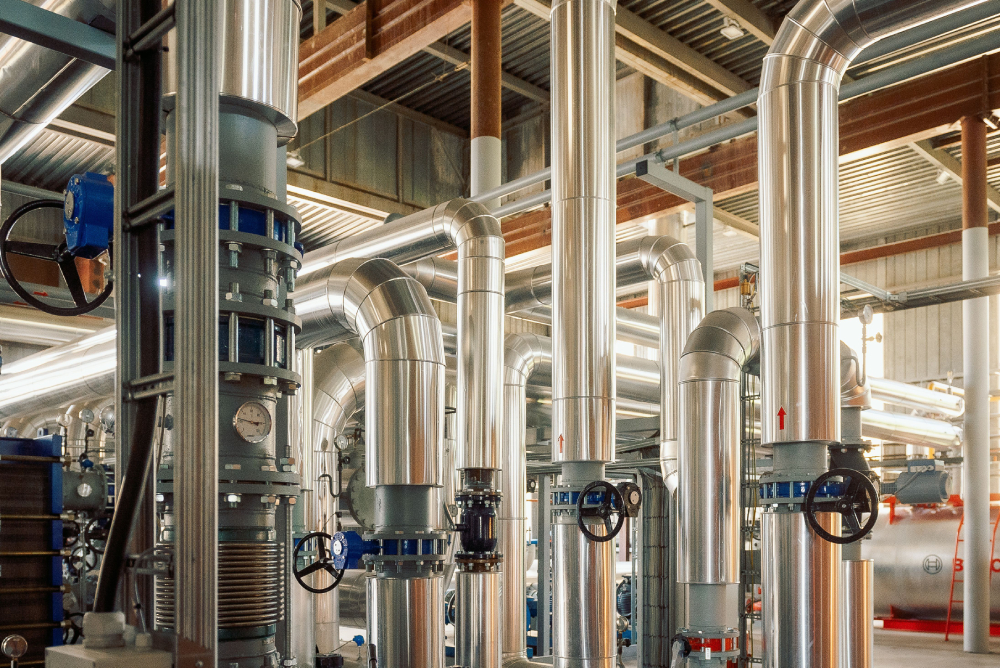
Industrial pipelines and modern equipment

Why Are 304 Stainless Steel Pipes So Popular and Widely Used?

304 stainless steel pipes are among the most commonly used stainless steel products due to their exceptional combination of strength, corrosion resistance, and affordability. Designed to perform in demanding environments, these pipes are highly versatile and suitable for both indoor and outdoor applications. Whether exposed to moisture, chemicals, or high temperatures, 304 pipes maintain their integrity and appearance over time.
In addition to their technical benefits, 304 stainless steel pipes are also food-grade, easy to sanitize, and safe for use in hygienic environments. Their durability and ease of fabrication make them an ideal choice for industries that demand reliability, safety, and longevity.
Common Uses of 304 Stainless Steel:
  • Food & Beverage Processing
  • Pharmaceutical & Medical Applications
  • Architecture & Construction
  • Automotive & Transport
  • Household Plumbing
  • HVAC Systems
  • Industrial Applications

Thanks to their global availability and cost-effectiveness, 304 pipes are a go-to option for projects of all scales – from residential plumbing to industrial piping systems.

Chemical Composition of Grade 304 Stainless Steel

The composition of Grade 304 stainless steel gives it its strength, corrosion resistance, and flexibility. Here’s the typical breakdown of its chemical elements:
Element Percentage (%)
Chromium (Cr) 18.0 – 20.0
Nickel (Ni) 8.0 – 10.5
Carbon (C) ≤ 0.08
Manganese (Mn) ≤ 2.0
Silicon (Si) ≤ 1.0
Phosphorus (P) ≤ 0.045
Sulfur (S) ≤ 0.03
Iron (Fe) Balance (Major element)
Key Takeaway:
The high chromium and nickel content is what gives 304 its corrosion-resistant and non-magnetic properties.

Key Properties of 304 Stainless Steel

Grade 304 stainless steel is prized for its unique combination of physical and chemical properties:
  • Corrosion Resistance:Performs well in a variety of environments – from kitchen conditions to mild chemical exposure.
  • Formability: Easy to bend, cut, and weld without breaking or cracking.
  • Hygienic Surface: Smooth and non-porous, making it ideal for food and medical uses.
  • Heat Resistance:Maintains strength at high temperatures up to 870°C (1600°F) intermittently and up to 925°C (1700°F) continuously.
  • Non-Magnetic: In its annealed state, 304 is not magnetic – an important property for medical and technical equipment.

Call Us: 888-841-7954

Common Applications of 304 Stainless Steel

Thanks to its versatility and performance, 304 is found in countless industries and products. Some of the most common applications include:
Medical & Healthcare
  • Surgical instruments
  • Hospital beds and trays
  • Lab equipment

Construction & Architecture
  • Exterior cladding
  • Handrails
  • Door and window fittings

Automotive
  • Exhaust components
  • Trim and moldings

Chemical & Industrial
  • Tanks and piping for mild chemicals
  • Brewery and dairy equipment
Its clean finish, non-reactive surface, and high resistance to rust make it ideal for both aesthetic and functional purposes.

Advantages of Using 304 Stainless Steel

There are many reasons why businesses and individuals prefer Grade 304 over other metals:
Cost-Effective
Compared to higher grades like 316, 304 provides great value for money with excellent performance.
Readily Available It’s one of the most produced stainless steels globally, ensuring availability and competitive pricing.
Low Maintenance
304 stainless steel does not require painting, coating, or frequent polishing – saving time and costs.
Versatile & Easy to Fabricate
Can be cut, shaped, welded, and finished easily – making it suitable for both heavy industry and DIY projects.
Environmentally Friendly
It is 100% recyclable and often made with up to 60% recycled content.
View of wood chips boiler house heating system Coastal Resources Group

Grade 304 vs Other Stainless Steel Grades

How does 304 compare with other popular grades like 316 or 201?
Grade Key Features Best Use
304 Good corrosion resistance, affordable Kitchen, medical, architecture
316 Better corrosion resistance (has molybdenum) Marine, coastal, harsh chemicals
201 Lower cost, less corrosion resistance Budget appliances, indoors
430 Magnetic, less corrosion-resistant Decorative trims, less demanding
When to Choose 304?
Choose 304 if you need a reliable, non-magnetic, and food-safe material for general-purpose indoor or light outdoor use.

Final Thoughts

Grade 304 stainless steel is a versatile, reliable, and cost-effective material that serves countless industries. From food to medicine, architecture to automotive, its balance of strength, hygiene, and formability makes it one of the best choices on the market.
Whether you’re a manufacturer, designer, or simply curious about materials, understanding the benefits of 304 can help you make smarter decisions.

Call Us: 888-841-7954