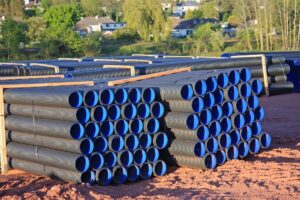
Best ROI Pipe Material for Industrial Facilities
Which Pipe Material Delivers the Best ROI The lowest bid on a pipe order is not the same thing as the lowest cost of the

Which Pipe Material Delivers the Best ROI The lowest bid on a pipe order is not the same thing as the lowest cost of the
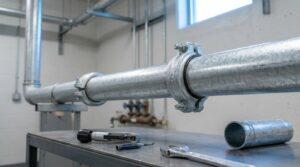
Connecting Galvanized Pipe Without Threading A cracked or corroded galvanized fitting rarely waits for a convenient time to fail. If the reamer or die needed
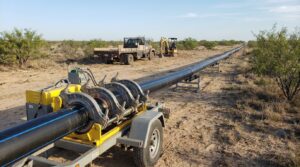
Every contractor running HDPE pipe installations faces this question sooner or later: rent a fusion machine for the job, or buy one and have it
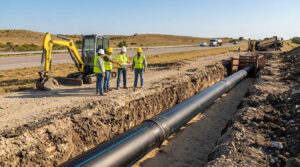
Digging a full trench across a highway, a rail line, or three lanes of city traffic is not always an option. When open cut is
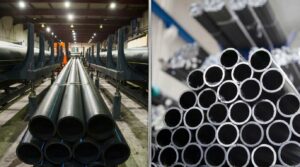
A lower per-foot quote on steel pipe looks good on a bid sheet. It rarely holds up once welding crews, coating inspections, and corrosion allowances
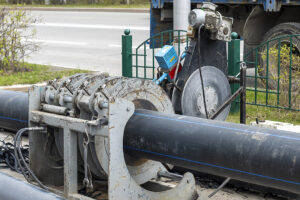
If you are working with HDPE pipe in the field, the question of which fusion method to use comes up on nearly every job. Socket
What Schedule 40 Pipe Means for a Piping Project Schedule 40 shows up on more spec sheets than almost any other pipe designation, and it
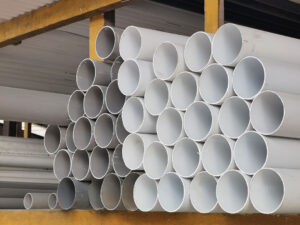
PVC and CPVC are not the same material. CPVC handles higher temperatures and a broader range of aggressive chemicals, making it the correct specification for
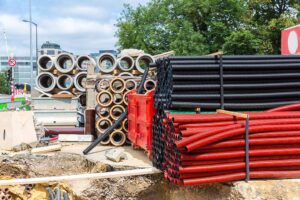
A pipe that arrives on site undamaged can still fail three weeks later because of how it sat in the yard. Handling, storage, and transport
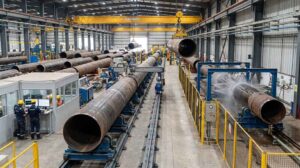
When pipe arrives on site and your inspector asks for the MTR, you either have it or you don’t. If you don’t, the material gets
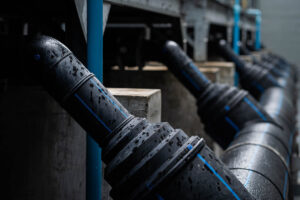
Chemical injection is one of the most overlooked pipe specification decisions on a Texas oil and gas project. The lines are small, typically half an
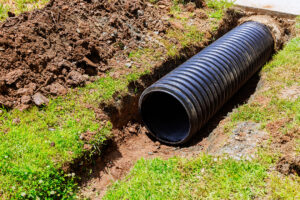
What Makes a Sewer Pipe Durable in Coastal Conditions A sewer line that performs well fifty miles inland can start failing within a decade near
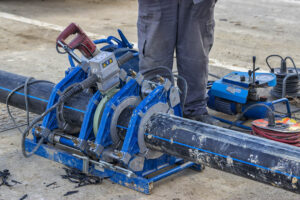
High-density polyethylene (HDPE) piping has become the standard choice across oilfield, petrochemical, water treatment, and industrial projects. Its durability, flexibility, and corrosion resistance make it
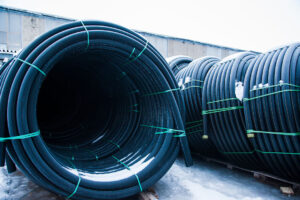
A fusion joint that looks perfect on a mild afternoon can fail on a job run at 20 degrees with wind cutting across the site.
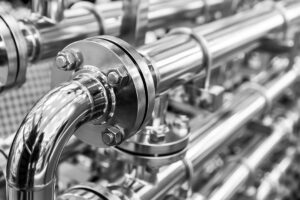
Both grades look the same, cost more than carbon steel, and carry the “stainless” label. The difference between 304 and 316 becomes apparent when the
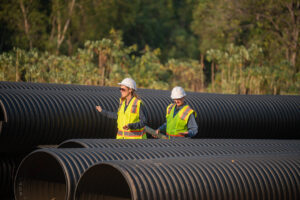
TxDOT drainage work is not the place to assume that any corrugated HDPE pipe will do. The department maintains its own specification for thermoplastic drainage
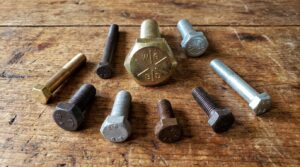
A307 and A193 bolts can look identical on a job site. Same hex profile, same thread form, sometimes the same diameter. But the physical resemblance
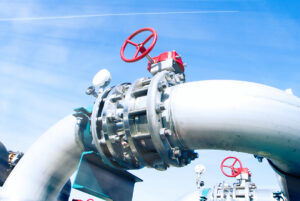
Gate, ball, globe, check, butterfly, and plug valves each control flow differently. Here’s how Texas pipeline, refinery, and water systems match valve type to pressure class, flow needs, and maintenance access.

Substituting one fastener type for another without knowing the structural and mechanical differences is a mistake that costs time, causes rework, and in pressure service,

HDPE pipe is rated for a 50-year service life under design conditions. That figure is grounded in decades of testing data, not marketing claims. But

Specifying the wrong flange pressure class is one of the more costly procurement errors in industrial piping. A flange that is underrated for system pressure

A flange gasket does not seal by placement alone. It seals when the gasket is compressed evenly between two flange faces, with enough bolt load

Every length of HDPE pipe carries a number stamped into its print line. That number, whether marked as SDR 11, DR 17, or SDR 26,

Coastal environments can be unforgiving to industrial materials. Salt-laden air, high humidity, temperature swings, standing moisture, and aggressive chloride exposure can shorten the life of

Every pipe, fitting, and fastener that moves water, gas, or industrial fluid is governed by a set of published standards that define exactly what it

Leak failures in industrial piping systems rarely announce themselves with drama. They develop quietly at connection points — flanges left with inconsistent bolt torque, gaskets

A single unplanned shutdown at a midstream compression station can cost operators tens of thousands of dollars per hour. Pipeline systems, storage terminals, and transfer
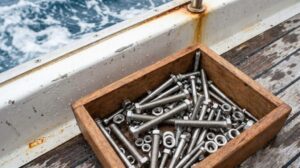
Marine-grade fasteners are a classification of threaded hardware engineered specifically to resist electrochemical corrosion in environments where chloride ions, moisture, and oxygen accelerate metal degradation

Industrial pipe purchases are often made under schedule pressure, but pressure ratings should never be treated like a quick checkbox. When HDPE pipe is being

Drainage and sewage infrastructure depend on sealed pipe connections to maintain safe and reliable fluid transport. Municipal stormwater systems, wastewater pipelines, and industrial drainage networks

Pipelines rely on sealed connections to control pressure, contain fluids, and prevent environmental release. Among the most stressed connection points are flanges and gaskets, which

Potable water systems rely on precise mechanical connections that maintain pressure control, hygiene, and long-term reliability. Among these components, ANSI-rated flanges serve as standardized connection
Chemical-resistant piping is often selected when process fluids are acidic, caustic, oxidizing, or solvent-based. The chemical coating may protect the pipe wall, but leakage
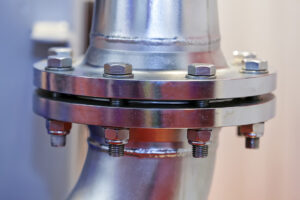
When a polyethylene pipeline connects to a steel system, the joint must accommodate two materials with very different mechanical behavior. HDPE can relax under sustained
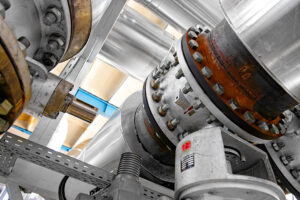
Flanged joints are everywhere in the downstream oil & gas sector, from refinery pipe racks and fractionation units to gas plants, terminals, and petrochemical systems,
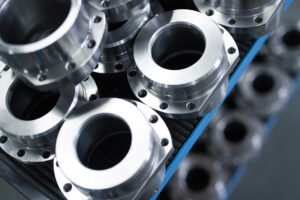
Food and beverage processing environments place constant pressure on piping connections due to repeated washdowns, thermal cycling, and chemical exposure. Flanged joints are often evaluated
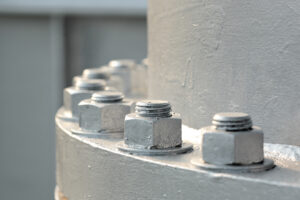
Leaks at bolted flange joints rarely appear without warning. A slight odor, a damp flange rim, or a stain trail can be seen long before
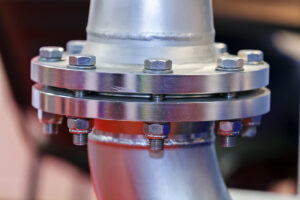
Geothermal energy systems rely on piping networks that operate under continuous temperature variation and internal pressure. Within these systems, flanged joints are used to connect
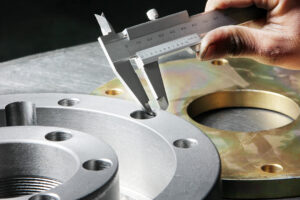
Water treatment facilities rely on precise mechanical interfaces to maintain flow integrity, manage pressure, and support long service life. Within high-density polyethylene piping networks, flange

Mining process lines operate in harsh conditions—abrasive media, constant vibration, thermal cycling, and frequent maintenance intervention. In this environment, even minor assembly errors can
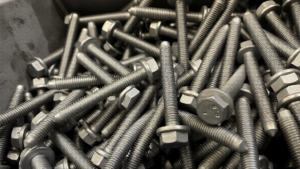
B8 bolts play a critical role in maintaining joint integrity across industrial piping systems where pressure, temperature, and vibration intersect. These fasteners, manufactured from austenitic
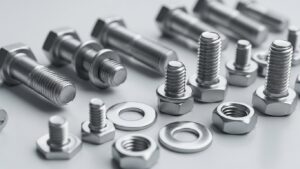
Food and beverage processors depend on equipment that meets strict hygienic, structural, and regulatory expectations. While tanks, conveyors, piping systems, and automated handling equipment receive

ASTM A193 Grade B8 bolts play a critical role in industrial infrastructure where fasteners must withstand high temperatures, moisture exposure, corrosive chemicals, and continuous mechanical

In high-pressure piping systems, even the strongest flange can fail if the bolts holding it together are not properly sized. Bolts maintain gasket compression, prevent

Bolting systems in oil and gas infrastructure are exposed to some of the harshest mechanical and environmental conditions found in an industrial setting. From offshore

Ensuring long-term performance and safety in potable water systems starts with choosing the right materials. While the focus often falls on piping, gaskets, and valves,

Within midstream natural gas operations, the integrity of every flange connection and pipeline joint depends on the reliability of its fasteners. Among the various grades

The performance and reliability of bolted joints determine the overall safety and uptime of chemical processing plants. Every connection exposed to pressure, heat, or

Construction and maintenance in coastal regions demand materials that can withstand constant exposure to salt, moisture, and corrosive air. Among fastening solutions, ASTM A193 B8

Contractors working on drainage systems often face tough decisions about materials, joint performance, longevity, hydraulics, and installation. Among plastic piping options, PE4710 HDPE resin is

Coastal and marine infrastructure projects face some of the harshest operating conditions in the construction industry. Saltwater exposure, constant movement, and chemical corrosion push traditional

Wastewater and sewage infrastructure requires piping that resists chemical attack, handles variable flows, and complies with strict standards. High-density polyethylene (HDPE) has become the preferred
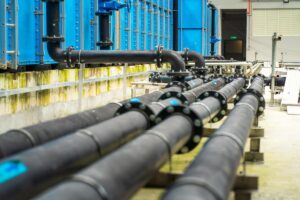
High-density polyethylene (HDPE) piping has become the standard choice across oilfield, petrochemical, water treatment, and industrial projects. Its durability, flexibility, and corrosion resistance make it

In the oil and gas industry, compliance is a non-negotiable requirement. Regulators such as the Pipeline and Hazardous Materials Safety Administration (PHMSA) and the Occupational
Water infrastructure is the backbone of municipal development, ensuring safe distribution and efficient management of this vital resource. Across the United States, cities are seeking
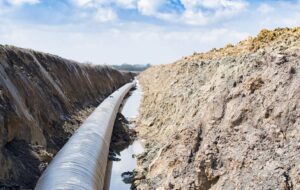
Mining slurry systems demand pipe materials that can withstand abrasion, pressure surges, and harsh chemical environments. Traditional metal pipes often face issues with corrosion, maintenance

PE 40 HDPE for Cable Protection: What You Need to Know If you’re running cables underground and need something to protect them, PE 40 HDPE

High-density polyethylene (HDPE) pipe is one of the most reliable piping materials available for transporting water, gas, and industrial fluids. Its strength, flexibility, and resistance

Industrial operations rely on durable and safe piping systems to transport liquids, gases, and chemicals under demanding conditions. When corrosive environments challenge the performance of

This nominal pipe size chart gives mechanical engineers, contractors, and procurement teams a practical way to compare NPS values, outside diameter, inside diameter, pipe schedule,

Reliable drinking water infrastructure is the backbone of public health and industrial development. Whether in municipal distribution systems or private industrial facilities, the materials used

Efficient drainage is vital for the safety, performance, and longevity of construction projects. Whether for site development, roadways, or industrial facilities, choosing the right construction

Industrial facilities that handle acids, caustics, and aggressive chemicals need reliable piping systems that can withstand corrosive conditions while maintaining long-term performance. DR17 HDPE pipe

Water treatment facilities face increasing demands for reliable, cost-effective piping solutions that can withstand aggressive chemical environments while maintaining optimal performance over decades. High-density polyethylene

The midstream oil and gas sector keeps changing with new technology. Companies want safer, more efficient, and reliable systems. High-density polyethylene (HDPE) pipes are now

The food and beverage processing industry demands strict compliance with hygiene, safety, and durability standards. Materials used in piping systems must be non-toxic, corrosion-resistant, and

In wastewater infrastructure, pipe performance is directly linked to how well it withstands internal pressure and external loads. That’s where SDR ratings come into play.

Natural gas utilities and contractors demand piping systems that offer reliability, safety, and long-term performance. Among the various materials available, DR11 HDPE pipe has become

Geothermal systems are reshaping how commercial and industrial facilities manage heating and cooling. As energy efficiency and long-term reliability become higher priorities for both residential

Mining operations rely on durable, long-lasting pipe systems to transport abrasive slurries across rough terrain. High-density polyethylene (HDPE) pipes have become a popular choice in

Industrial operations depend on gaskets to maintain safety, control emissions, and keep systems running efficiently. These critical components may be small, but they are mighty.

In industrial systems, gaskets are essential to maintaining a leak-free seal between two static surfaces. Whether used in flanged pipe connections, compressors, or pressure vessels,

Industrial systems across sectors like petrochemical, energy, and manufacturing depend on reliable sealing solutions to prevent leaks, maintain pressure, and extend equipment lifespan. Gaskets play

Flange bolts play a key role in the structural integrity and sealing capacity of industrial piping systems. When installed incorrectly, they can cause leaks, flange

Industrial operations depend heavily on the integrity of piping systems. Whether in petrochemical plants, refineries, water treatment facilities, or oilfields, flanges and gaskets are critical

Reliable sealing in a piping system starts with one core principle: matching the right flange and gasket materials. Even the strongest metal components or most

Gaskets play a central role in maintaining the integrity of flange joints across a wide range of industrial systems. Whether in high-pressure pipelines or chemical

Leaks in flanged joints can result in lost productivity, safety hazards, and increased operational costs, especially in industrial applications where piping systems handle high-pressure fluids
Industrial equipment works under a lot of pressure. In places like oilfields, refineries, and chemical plants, flanges and gaskets help keep pipes and machines sealed

Leaks in industrial systems don’t just waste resources. They pose serious safety risks, increase maintenance costs, and can halt operations entirely. In high-pressure environments such

When selecting components for industrial piping systems, choosing appropriate flanges is a critical decision. The proper flange ensures safe connections, reduces leaks, and facilitates easier

Flanges and gaskets are key components in industrial piping systems. These seemingly simple pieces perform important roles by ensuring pipes connect firmly and safely, keeping

Stainless steel pipes are widely used in industrial settings for their strength, durability, and corrosion resistance. However, welding is not always a viable option due

Industrial projects demand fasteners that offer superior strength, longevity, and resistance to harsh conditions. Among the many options available, B8 bolts stand out as preferred

B8 bolts are high-strength industrial bolts engineered for demanding applications where durability, corrosion resistance, and high-temperature performance are essential. Manufactured from 304 and 304L austenitic

B8 bolts, made from 304 stainless steel under ASTM A193, are high-strength bolts used in industries like oil and gas, chemical processing, and power generation.

Fastening solutions are the backbone of industrial infrastructure. From securing heavy machinery to stabilizing critical pipelines, the safety and performance of operations are directly linked

B8 bolts, specifically ASTM A193 B8 Class 2 bolts, are essential components in critical industrial applications, including petrochemical plants, oilfields, and refineries. Their durability and

Industrial fasteners play a critical role in maintaining structural integrity and operational efficiency in demanding environments. Selecting the right bolt grade ensures safety, reliability, and

Bolted connections are fundamental in oil and gas operations, securing critical infrastructure such as pipelines, refineries, and offshore platforms. The integrity of these connections depends

B8 bolts are high-strength bolts made from austenitic stainless steel, essential for industrial applications requiring durability and corrosion resistance. Their unique material properties make them

Bolts are essential in industrial projects, providing secure and reliable connections for pipelines, flanged equipment, and heavy machinery. B8 bolts stand out for their exceptional

Industrial flanged systems rely heavily on gaskets to ensure a leak-proof seal under a variety of operating conditions. From controlling pressure and temperature extremes to

Fasteners are integral components in industrial systems, providing the stability and safety required to maintain operational efficiency. Among the many bolt types available, B8 bolts

Reliable connections are the backbone of industrial systems, ensuring seamless operation and safety in critical applications. Whether managing high-pressure pipelines or safeguarding sensitive equipment in

The success of industrial projects frequently hinges on the reliability of their fasteners. ASTM A193 B8 bolts, crafted from Type 304 stainless steel, are the

Industrial operations demand fasteners that can endure harsh environments without compromising performance. B8 bolts, manufactured under ASTM A193 specifications from 304 stainless steel, are designed

ASTM A193 is a fundamental ASTM bolting standard, setting requirements for fasteners designed to perform reliably under high-pressure and high-temperature conditions. This specification ensures safety

High-Density Polyethylene (HDPE) pipes have become a cornerstone in modern industrial applications, offering a blend of durability, flexibility, and environmental benefits. The evolution of large-diameter

In industrial settings, pipelines serve as the lifeblood of operations, transporting vital resources such as water, gas, and chemicals across vast distances. At the heart

High-Density Polyethylene (HDPE) pipes are widely used across various industries due to their durability, flexibility, and chemical resistance. HDPE piping serves as a reliable choice

Standard Dimension Ratio (SDR) serves as the fundamental measurement for industrial pipe specifications. The SDR standard dimension ratio directly influences pressure ratings, system performance, and

High-Density Polyethylene (HDPE) pipes have emerged as a superior alternative to traditional Polyvinyl Chloride (PVC) pipes in many industrial applications. For businesses seeking reliable piping

High-density polyethylene (HDPE) pipes are widely used in industrial applications due to their durability, flexibility, and corrosion resistance. For businesses relying on these pipes, understanding

High-density polyethylene pipe has transformed the landscape of industrial and infrastructure projects since its introduction in the mid-20th century. This versatile material has steadily gained

PE4710 resin has emerged as a versatile material in various industrial applications, offering superior performance and longevity. This high-density polyethylene (HDPE) compound is transforming industries

ASTM F714 HDPE (High-Density Polyethylene) pipe is changing industrial infrastructure. It surpasses traditional materials like steel, concrete, and PVC in durability, chemical resistance, and cost-effectiveness.

Polyethylene (PE) pipe material designation codes have undergone significant changes in recent years. These revisions have primarily affected classifications for materials such as PE 3408
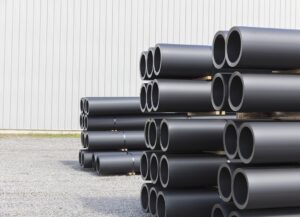
HDPE Pipe SDR 11 has transformed industrial piping systems across America. This high-density polyethylene pipe combines remarkable strength with flexibility, making it a top choice

SDR 11 HDPE pipe is widely used across water supply systems, wastewater infrastructure, drainage, chemical transfer, and industrial applications because it combines high pressure ratings

Infrastructure projects demand meticulous material selection, particularly for piping systems. In recent years, high-density polyethylene (HDPE) pipes have emerged as an innovative option for many

High-density polyethylene (HDPE) tubing is transforming industrial and infrastructure projects with its environmental benefits. This durable polymer offers significant advantages, including reduced energy consumption in

Choosing the wrong pipe material for a corrosive application doesn’t fail slowly — it fails catastrophically. HDPE chemical resistance makes it the default specification for

High-density polyethylene (HDPE) poly pipe has revolutionized fluid transport across industries. These robust plastic pipes offer exceptional strength and flexibility, making them ideal for various

Pressure ratings are the cornerstone of piping system safety and efficiency in industrial operations. The choice between welded and glued seams can significantly impact a

The oil and gas industry faces unique challenges when it comes to pipeline infrastructure. As pressure requirements increase and safety standards evolve, proper techniques for

The oil and gas industry is constantly on the lookout for materials that can withstand extreme conditions while improving operational efficiency. High-density polyethylene (HDPE) tubing

High-density polyethylene (HDPE) pipes and fittings are essential components in many industries and are used as water mains, gas mains, sewer mains, slurry transfer lines,

The downstream oil and gas industry has seen significant changes in recent years, particularly in the materials used to manufacture piping. High-density polyethylene (HDPE) pipe

When working with pipes in industrial settings, understanding pipe sizes and pressure ratings is key for making sure everything works the way it should and