
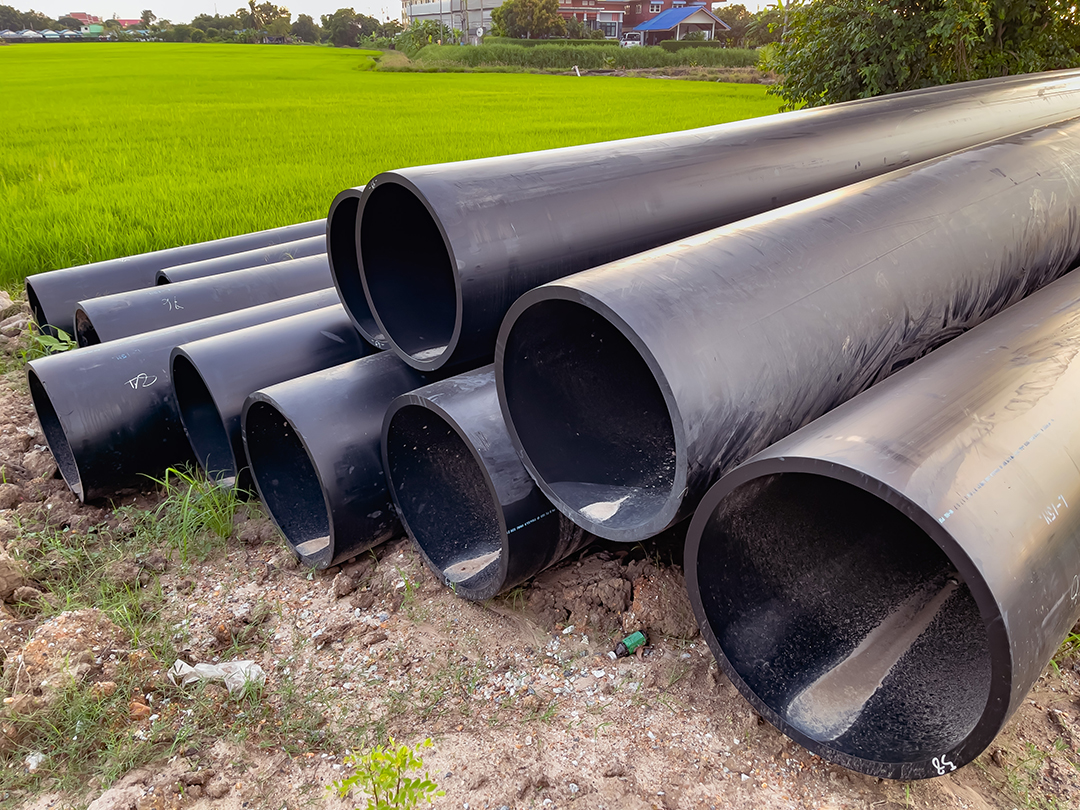
Water treatment facilities face increasing demands for reliable, cost-effective piping solutions that can withstand aggressive chemical environments while maintaining optimal performance over decades. High-density polyethylene (HDPE) piping systems have emerged as the preferred choice for modern potable water distribution and treatment operations, offering unique advantages that traditional materials simply cannot match. The superior chemical resistance, structural integrity, and installation flexibility of HDPE pipe systems significantly reduce maintenance requirements and total cost of ownership.
Chemical Resistance Properties of HDPE Treatment Pipe
The molecular structure of high-density polyethylene provides exceptional resistance to a wide range of chemicals commonly used in water treatment processes. Unlike metallic piping systems that suffer from corrosion when exposed to chlorine, sulfuric acid, or other treatment chemicals, HDPE treatment pipe maintains its structural integrity and performance characteristics even under continuous chemical exposure. The evolution of high-density polyethylene pipe technology has enhanced these protective properties for industrial applications.
Water treatment facilities using chlorine dioxide, sodium hypochlorite, and other oxidizing agents benefit significantly from HDPE’s inert chemical properties. The material does not react with these aggressive chemicals, preventing the formation of corrosion byproducts that can compromise water quality and system efficiency. Understanding the chemical resistance of high-density polyethylene tubing is critical for selecting the right piping material for specific treatment applications.
Key chemical resistance benefits include:
- Complete resistance to chlorine-based disinfectants and oxidizing agents commonly used in water treatment.
- Immunity to acid attack from sulfuric acid, hydrochloric acid, and other treatment chemicals.
- No degradation from surfactants, coagulants, or polymer additives used in treatment processes.
- Resistance to stress cracking when exposed to aggressive chemical environments.
- Stable performance with pH levels ranging from 2 to 12 without material degradation.
Durability and Longevity Advantages
The engineering properties of HDPE treatment pipe systems provide exceptional durability that translates into decades of reliable service. Unlike traditional materials that deteriorate through oxidation, corrosion, or material fatigue, HDPE maintains its mechanical properties throughout its service life, which can exceed 100 years under normal operating conditions. Modern large diameter HDPE pipes and fittings further enhance system longevity for major infrastructure projects.
| Property | HDPE | Steel | Concrete | PVC |
| Service Life | 100+ years | 50-75 years | 50-100 years | 50-100 years |
| Corrosion Resistance | Excellent | Poor | Moderate | Good |
| Impact Resistance | Excellent | Moderate | Poor | Poor |
| Flexibility | High | None | None | Low |
| Maintenance Requirements | Minimal | High | Moderate | Low |
The flexibility of HDPE piping systems accommodates ground movement, seismic activity, and thermal expansion without requiring expansion joints or other costly accommodations. This flexibility reduces stress concentrations and prevents joint failures that plague rigid piping systems in dynamic environments. The innovations in HDPE tubing, enhancing durability and performance in harsh conditions, continue to advance the material’s capabilities in challenging environments.
Installation Efficiency and Cost Benefits
The lightweight nature of HDPE treatment pipe significantly reduces installation costs compared to traditional materials. A typical HDPE pipe weighs approximately 1/8 the weight of an equivalent steel pipe, allowing for easier handling, reduced equipment requirements, and faster installation times.
Installation advantages include:
- Heat fusion joining creates leak-proof connections stronger than the pipe itself.
- Trenchless installation capabilities minimize surface disruption and excavation costs.
- Coilable smaller diameters reduce joint requirements for long runs.
- Directional drilling compatibility allows installation under roads and structures.
- Reduced labor costs due to lightweight handling and faster installation methods.
The fusion process creates a homogeneous joint that eliminates potential failure points requiring ongoing maintenance, while trenchless capabilities allow water treatment facilities to upgrade infrastructure without disrupting ongoing operations. For facilities requiring specialized fusion equipment, fusion rental equipment provides cost-effective access to professional-grade tools.
Water Filtration Pipe Performance Characteristics
The smooth interior surface of HDPE water filtration pipe provides optimal hydraulic characteristics that improve system efficiency and reduce energy consumption. The Manning’s coefficient for HDPE pipe (0.009-0.011) remains constant throughout the pipe’s service life, unlike metallic materials that develop tuberculation and surface roughness over time.
The flow characteristics of HDPE water filtration pipe systems maintain consistent performance because the material does not support biological growth or mineral deposition. The chemically inert surface prevents the formation of biofilms that can reduce pipe capacity and create water quality issues in treatment systems. Understanding HDPE pipe sizes and wall thickness for industrial applications is essential for optimizing system hydraulics.
Performance benefits include:
- Consistent flow capacity throughout the system’s operational life.
- Reduced pumping costs due to smooth interior surfaces and low friction factors.
- Abrasion-resistant walls handle suspended solids without surface degradation.
- No leaching of harmful substances into treated water.
- Optimal performance during backwash operations with high velocities.
Wastewater HDPE System Applications
The versatility of wastewater HDPE system applications extends across all phases of wastewater treatment operations. From influent collection to final effluent discharge, HDPE piping systems provide reliable performance in aggressive environments where traditional materials often fail prematurely. Proper selection of HDPE pipe fittings ensures seamless integration throughout complex treatment processes.
| Application | Key Benefits | Typical Sizes |
| Sewer Force Mains | H2S resistance, leak-proof joints | 4″ to 48″ |
| Biogas Collection | Methane compatibility, low permeability | 2″ to 12″ |
| Sludge Handling | Abrasion resistance, smooth flow | 6″ to 24″ |
| Effluent Discharge | Long-term durability, chemical resistance | 8″ to 60″ |
| Plant Piping | Flexibility, easy installation | 1″ to 36″ |
Sewer force main applications benefit significantly from HDPE’s resistance to hydrogen sulfide and other corrosive gases generated during wastewater transport. The material’s chemical inertness prevents the acid attack that destroys concrete and metal pipes in sewer environments. For comprehensive solutions, wastewater and sewage systems applications demonstrate the material’s versatility across treatment processes.
Environmental and Sustainability Benefits
The environmental profile of HDPE treatment pipe systems offers significant advantages over traditional materials throughout their entire lifecycle. The manufacturing process requires less energy compared to metallic alternatives, and the material’s longevity reduces the environmental impact associated with frequent replacements.
Sustainability advantages include:
- 100% recyclable material that supports circular economy principles.
- Reduced carbon footprint from lightweight transportation and long service life.
- Water conservation through leak-proof joints and dimensional stability.
- Elimination of cathodic protection systems and associated energy consumption.
- Lower manufacturing energy requirements compared to metallic alternatives.
The recyclability of HDPE materials allows end-of-life piping systems to be reprocessed into new products, reducing landfill waste and conserving natural resources while providing economic value for decommissioned systems. The sustainable HDPE tubing environmental benefits and industry impact continue to drive adoption across environmentally conscious facilities.
Economic Analysis and Return on Investment
The economic benefits of HDPE treatment pipe systems extend beyond initial installation costs to encompass reduced maintenance, extended service life, and improved operational efficiency. Life-cycle cost analysis consistently demonstrates the superior economic performance of HDPE systems compared to traditional alternatives.
| Cost Factor | HDPE | Steel | Concrete |
| Initial Material Cost | $15,000 | $12,000 | $18,000 |
| Installation Cost | $8,000 | $15,000 | $20,000 |
| 50-Year Maintenance | $3,000 | $25,000 | $15,000 |
| Total Life-Cycle Cost | $26,000 | $52,000 | $53,000 |
Operational cost reductions result from the elimination of corrosion-related maintenance, reduced pumping costs due to smooth interior surfaces, and decreased downtime for repairs and replacements. Risk mitigation benefits include reduced liability from water quality issues and improved system reliability during extreme weather events. The cost efficiency of HDPE tubing for long-term infrastructure projects demonstrates significant savings over conventional materials.
Quality Standards and Certification
Manufacturing standards for HDPE treatment pipe systems ensure consistent quality and performance across different suppliers and applications. Industry standards such as ASTM D3350 and AWWA C906 provide comprehensive specifications for material properties, dimensional requirements, and testing procedures. Rigorous HDPE pipe testing ensures compliance and safety protocols and material performance under real-world conditions.
Key certifications and standards include:
- ASTM D3350 specification for polyethylene plastics pipe and fittings materials.
- AWWA C906 standard for polyethylene pressure pipe and fittings.
- NSF 61 certification for potable water contact applications.
- ISO 4427 international standard for polyethylene pipes for water supply.
- ASTM F714 standard for polyethylene plastic pipe based on controlled inside diameter.
Third-party validation through accredited laboratories confirms the long-term performance characteristics of HDPE materials under simulated service conditions, providing the technical foundation for design specifications and warranty programs. Understanding ASTM F714 HDPE pipe as a game changer for industrial applications helps facilities select compliant materials for their specific requirements.
Advanced Material Specifications
Modern HDPE pipe systems utilize advanced resin formulations that enhance performance characteristics for demanding water treatment applications. The evolution from traditional PE3408 to newer PE4710 resin powering industrial solutions from water management to gas distribution provides improved stress crack resistance and higher pressure ratings.
For applications requiring specific pressure ratings, HDPE pipe SDR 11 industry standards and requirements offer comprehensive guidance for material selection. The key features and benefits of HDPE pipe SDR 11 make it particularly suitable for high-pressure water treatment applications.
Get Reliable HDPE Piping Solutions Today
Upgrade your water treatment facility with HDPE piping systems. They offer decades of proven performance, superior chemical resistance, and reduced maintenance costs. With a 100+ year service life, leak-proof fusion joints, and flexible installation options, HDPE is the smart, sustainable choice for long-term efficiency. Understanding pipe sizes and pressure ratings helps optimize system design for specific facility requirements.
Why Choose HDPE Piping:
- Proven reliability in water treatment applications.
- Lower maintenance vs. traditional materials.
- Resistant to all common treatment chemicals.
- Flexible installation (trenchless, directional drilling).
- Leak-proof, durable, and 100% recyclable.
Coastal Resource Group delivers complete HDPE piping solutions backed by technical expertise and decades of experience. Our comprehensive range includes HDPE pipe supplier services, pipe, valves, and fittings, and specialized support for water treatment facilities.
Contact us today for a customized HDPE system that maximizes performance while minimizing total cost of ownership.