
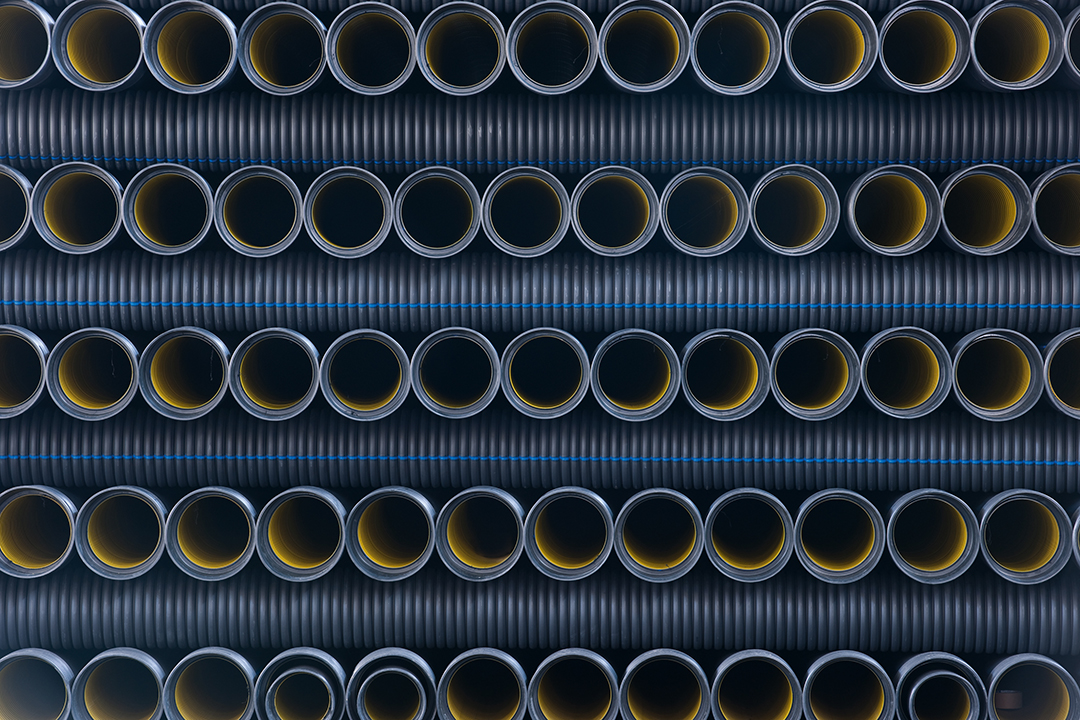
Industrial facilities that handle acids, caustics, and aggressive chemicals need reliable piping systems that can withstand corrosive conditions while maintaining long-term performance. DR17 HDPE pipe has become a proven solution for chemical processing plants, refineries, and wastewater facilities that require durable, leak-free, and cost-effective piping. Its unique combination of chemical resistance, flexibility, and pressure capacity makes it the preferred choice over traditional steel and PVC alternatives.
Why Choose DR17 HDPE Pipe for Chemical Applications?
DR17 refers to the pipe’s dimension ratio, meaning the outer diameter is 17 times the wall thickness. This thicker wall offers better pressure performance and durability compared to higher DR numbers like DR21. In chemical processing plants, DR17 HDPE pipe delivers several key advantages:
- Superior chemical resistance: HDPE resists a wide range of acids, alkalis, and solvents without corroding or leaching.
- Leak-free installation: Heat fusion welding creates monolithic joints that eliminate potential leak points common in flanged metal piping.
- Flexibility under stress: Unlike rigid steel, HDPE can accommodate slight movement, ground shifts, or thermal expansion without cracking.
- Long-term cost savings: HDPE requires minimal maintenance, reducing downtime and replacement expenses over decades of service.
In contrast, steel piping corrodes in acidic environments and often requires expensive coatings or liners. PVC can handle some chemicals, but lacks the same impact strength and pressure tolerance. DR17 HDPE strikes the ideal balance between chemical compatibility and structural performance. Understanding standard dimension ratio guidelines for industrial pipe selection helps optimize system design for specific applications.
Chemical Resistance and Performance Against Acids
One of the most important reasons facilities choose DR17 HDPE pipe is its exceptional resistance to a variety of acids, caustics, and chemical mixtures. HDPE does not corrode like metal and remains stable under prolonged exposure to many aggressive compounds commonly found in industrial environments. The comprehensive chemical resistance of high-density polyethylene tubing makes it suitable for diverse industrial applications.
Here is how DR17 HDPE performs with some typical process chemicals:
| Chemical | Resistance | Notes |
|---|---|---|
| Sulfuric acid < 10% | Excellent | Safe for most refinery applications |
| Hydrochloric acid < 20% | Very good | Suitable for scrubber systems |
| Nitric acid (dilute) | Good | Requires temperature control |
| Sodium hydroxide (caustic) < 50% | Excellent | Ideal for chemical dosing lines |
| Organic solvents | Mixed | Consult a compatibility chart |
It’s important to note that chemical resistance depends on concentration and temperature. At elevated temperatures above 140°F (60°C), HDPE’s pressure rating is derated. For highly aggressive or hot chemicals, it’s always best to consult a detailed compatibility guide or conduct a field test before full-scale installation.
Because of this versatility, DR17 HDPE pipe is commonly used in chemical feed systems, neutralization lines, wastewater treatment facilities, and refinery drainage networks. It is a trusted choice where steel would corrode and PVC might crack under stress.
Installation and Best Practices for Long-Term Durability
Proper installation is critical for ensuring DR17 HDPE pipe achieves its expected lifespan in harsh industrial environments. While the material is forgiving compared to rigid metal pipe, following recommended guidelines helps prevent premature wear or joint failure.
- Use proper fusion techniques: Butt fusion or electrofusion welding should be performed by certified technicians to create leak-free, permanent joints.
- Support and alignment: Ensure adequate pipe support to prevent sagging in aboveground installations, especially in high-temperature environments.
- Allow for thermal expansion: Include expansion loops or anchor points to accommodate temperature changes and prevent stress buildup.
- Bury to correct depth: In underground installations, maintain the manufacturer-recommended cover to protect against surface loads and ground movement.
Unlike steel, HDPE does not require corrosion coatings, cathodic protection, or extensive maintenance. However, periodic inspections for physical damage, pressure testing, and joint verification help ensure decades of trouble-free service. For facilities requiring specialized equipment, fusion rental equipment provides access to professional-grade fusion tools.
Comparing DR17 HDPE to Other Industrial Piping Materials
When selecting a piping system for handling aggressive chemicals, plant engineers often compare DR17 HDPE with steel, PVC, or fiberglass-reinforced plastic (FRP). Each material has strengths and weaknesses, but DR17 HDPE stands out for its balance of chemical resistance, pressure capability, and ease of installation.
- Steel: Strong but prone to rust, corrosion, and expensive maintenance in acidic environments. Requires internal coatings or liners to survive chemical exposure.
- PVC or CPVC: Good chemical resistance but limited in temperature and pressure capability. Brittle over time under impact or thermal cycling.
- Fiberglass (FRP): Highly chemical-resistant but more expensive and labor-intensive to install.
- DR17 HDPE: Flexible, chemically resistant, and easy to install with heat fusion, offering lower lifecycle costs.
For most chemical handling systems that don’t involve extreme heat or pressure, DR17 HDPE offers the best combination of durability, cost-efficiency, and environmental sustainability. The comprehensive analysis of why HDPE pipes outperform PVC in strength, durability, and flexibility demonstrates these material advantages.
Industrial Applications and How Coastal Resource Group Can Help
From petrochemical plants to wastewater treatment facilities, our DR17 HDPE pipe is trusted in a wide range of harsh chemical applications. Common examples include:
- Refinery drain lines: Handling acidic wash-down water safely without corrosion.
- Chemical dosing systems: Transporting caustic solutions for pH control.
- Scrubber and neutralization circuits: Managing mixed chemical effluents.
- Industrial wastewater treatment: Conveying aggressive effluents to treatment facilities.
Beyond chemical resistance, our DR17 HDPE pipe supports sustainability efforts. It is lightweight, which reduces transportation energy, and it can be fully recycled at the end of its service life, making it a more environmentally responsible alternative to traditional steel piping. The sustainable HDPE tubing’s environmental benefits and industry impact continue to drive adoption in environmentally conscious facilities.
At Coastal Resource Group, we supply certified DR17 HDPE pipe and fittings across Texas and the Gulf Coast. We’re available 24/7 with fast delivery and fusion equipment rentals to keep your project on schedule. Our comprehensive industrial process piping solutions serve diverse sectors, including oil and gas, mining, and construction.
Contact us today for a fast quote and expert guidance on the right DR17 HDPE solution for your facility.