
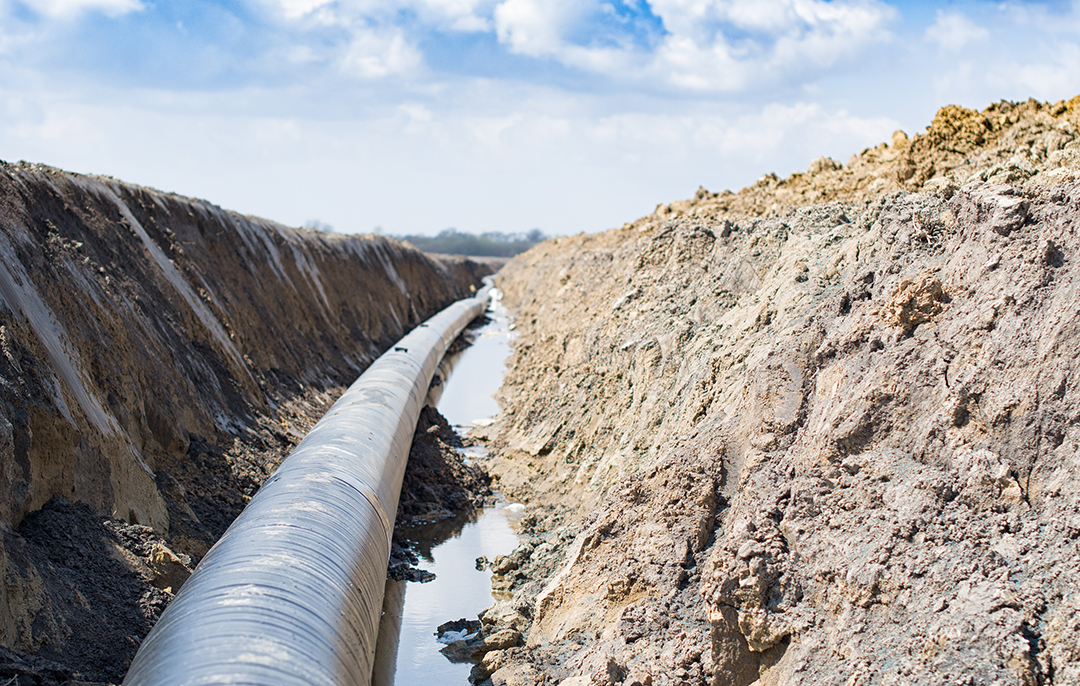
Mining slurry systems demand pipe materials that can withstand abrasion, pressure surges, and harsh chemical environments. Traditional metal pipes often face issues with corrosion, maintenance costs, and limited service life when transporting abrasive slurries. High-density polyethylene (HDPE) pipe has emerged as a preferred solution, delivering leak-free joints, outstanding resistance to wear, and cost efficiency in modern mining operations. This article reviews best practices for installing HDPE in slurry transport systems, ensuring durability and reliable performance in challenging mining environments.
Mining Slurry HDPE in Harsh Environments
Mining slurry HDPE pipe is specifically designed to move abrasive materials such as iron ore tailings, mineral concentrates, and process water through containment structures and tailings storage facilities. Unlike rigid PVC or ductile iron pipes, HDPE pipe combines flexibility with toughness, making it suitable for terrains where ground movement, heavy lifting equipment, and abrasive slurries are common challenges.
ASTM F714 and PPI TR-46 outline the requirements for polyethylene pipe used in mining applications. These standards emphasize proper installation techniques to maximize performance in environments where slurry characteristics create unique stresses on piping systems.
HDPE Pipe in Slurry Transport
Slurry transport pipe must balance strength, flexibility, and resistance to both physical and chemical attack. HDPE pipe products meet these demands by providing a smooth interior surface that reduces energy consumption in pumping operations. Compared to steel pipes or ductile iron pipes, HDPE reduces friction losses, extending the service life of pumps and minimizing energy costs in mineral processing plants.
Heat-fused joints create a fully restrained, leak-free system that withstands occasional pressure surges common in mining operations. The coiled lengths and straight lengths available allow for efficient installation with fewer joints, further reducing potential leak points.
| Pipe Material | Abrasion Resistance | Corrosion Resistance | Service Life | Maintenance Costs |
| HDPE Pipe | Excellent | Excellent | 50+ years | Low |
| Ductile Iron Pipes | Moderate | Low | 20–30 years | High |
| Steel Pipes | Good | Poor | 15–25 years | High |
| Rigid PVC | Poor | Good | 10–20 years | Moderate |
Abrasion Resistance for Slurry Applications
Abrasion resistance is one of the most important factors in selecting a slurry transport pipe. Abrasive slurries, containing particles from mineral processing, can quickly erode metal pipes. HDPE pipe products offer outstanding abrasion resistance, ensuring longer service life and fewer replacement costs.
According to the Plastics Pipe Institute, polyethylene pipe shows wear rates several times lower than ductile iron or steel when tested under slurry conditions. This advantage directly reduces downtime in mining operations and minimizes the need for frequent pipe replacements.
HDPE Pipe Products for Mining Operations
HDPE pipe products are manufactured in a wide range of iron pipe sizes and diameters to accommodate different mining applications. These include tailings transport, process water supply, and slurry pumping lines. The flexibility of HDPE allows installations in both straight lengths and coiled lengths, depending on site requirements.
Identification stripes are used in industrial and mining applications to clearly mark the purpose of each pipeline, such as blue for water supply or other colors for specific fluids. This simplifies system management across complex mining sites.
- Mining applications: Slurry pipelines, tailings transport, dewatering lines.
- Industrial plants: Chemical processing, mineral concentrate transport.
- Containment structures: Tailings storage facilities, process water return lines.
Chemical Resistance in Industrial and Mining Applications
Mining environments expose piping systems to a wide range of chemicals used in mineral processing. From reagents to acidic tailings, HDPE provides outstanding chemical resistance compared to steel or ductile iron. This property extends service life and reduces the likelihood of environmental contamination caused by corrosion or leaks.
Polyethylene pipe is highly resistant to biological growth and chemical attack, making it ideal for transporting other fluids in addition to abrasive slurries. Its ability to withstand occasional pressure surges further ensures safe and reliable operation in mining processes.
HDPE in Industrial Processes and Mineral Processing
Industrial processes within the mining industry, including crushing, grinding, and separation, require reliable slurry transport systems. HDPE pipe supports mineral processing by delivering durability, efficiency, and consistent flow under harsh conditions. Its smooth interior surface reduces energy consumption during pumping operations, lowering overall costs for industrial plants.
In mineral processing and tailings management, HDPE pipe combined with professional installation provides a low-cost solution that maintains safety and efficiency. By reducing friction and resisting abrasion, it ensures stable performance even in high solids slurries.
Installation Practices for Reliable Slurry Transport
Proper installation is key to maximizing the performance of mining slurry HDPE systems. Professional engineers and contractors follow best practices to ensure safe and efficient pipeline operation.
- Pipe Handling: Use proper lifting equipment to avoid physical damage during transport and installation.
- Heat Fusion: Apply butt fusion or electrofusion methods for leak-free, fully restrained joints.
- Trench Preparation: Ensure bedding and backfill are free of sharp rocks or debris that could damage the pipe.
- Alignment: Maintain correct alignment to prevent stress points and accommodate natural pipe flexibility.
- Pumping Setup: Design pumping operations to minimize surge pressures and account for slurry characteristics.
| Installation Step | Best Practice | Benefit |
| Pipe Fusion | Use ASTM-compliant butt fusion | Leak-free joints with long service life |
| Handling | Heavy lifting equipment with protective slings | Prevents physical damage to HDPE |
| Trench Preparation | Clean bedding and compacted backfill | Improves stability and prevents wear |
| System Design | Account for surge pressures and slurry flow | Extends service life and reduces failures |
Coastal Resource Group Supplying HDPE Solutions for Mining
Mining operations across Texas and the Gulf Coast require a supplier who understands the challenges of abrasive slurries and demanding industrial environments. Coastal Resource Group delivers complete HDPE pipe solutions for mining slurry transport systems, ensuring reliable performance and rapid supply when projects cannot afford downtime.
- Comprehensive Supply: HDPE pipe, fittings, fusion machine rentals, and industrial equipment are all available in one place.
- Fast Delivery: Supplies are shipped quickly from Texas to keep mining operations on schedule.
- 24/7 Support: Sales representatives available around the clock to meet urgent project needs.
- Mining Industry Expertise: Serving modern mining operations, mineral processing plants, and tailings storage facilities.
- Durability and Quality: Proven HDPE products designed to withstand abrasive slurries and harsh chemicals.
From tailings transport to process water systems, Coastal Resource Group is your trusted partner for slurry transport pipe in the mining industry.
Contact us today to request a quote and secure reliable HDPE solutions for your next mining project.