
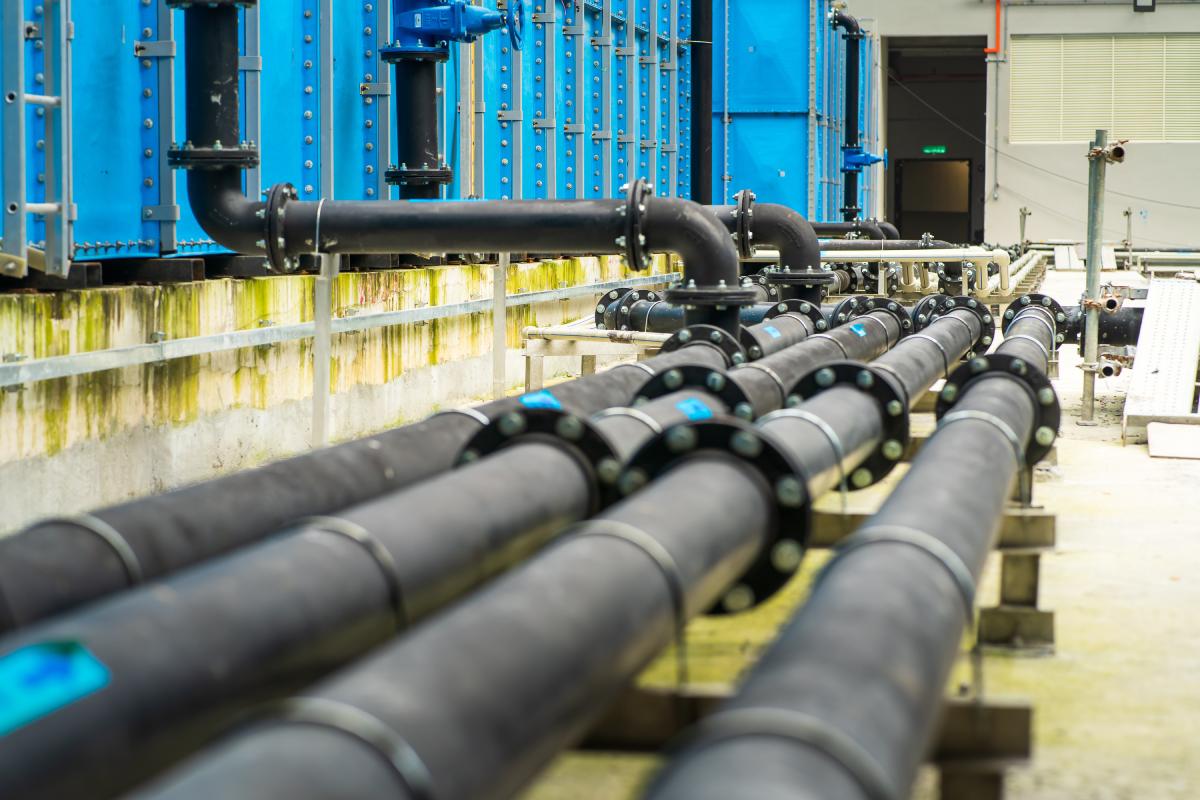
High-density polyethylene (HDPE) piping has become the standard choice across oilfield, petrochemical, water treatment, and industrial projects. Its durability, flexibility, and corrosion resistance make it an attractive alternative to traditional steel or PVC systems. Yet, the performance of an HDPE pipeline is only as strong as the welds that hold it together. Contractors responsible for installing these systems need to understand how fusion processes work, the equipment involved, and the standards that guide reliable installation.
Understanding the Principles of HDPE Fusion
The HDPE pipe supplier market continues to grow because fusion methods deliver joints that are leak-free and as strong as the pipe itself. Unlike mechanical couplings or adhesives, fusion creates a homogenous bond. When performed correctly, fusion joints withstand pressure, temperature fluctuations, and chemical exposure without failure. International and national authorities, such as the ASTM F2620 fusion procedures and ISO 21307 standards, outline how the process should be performed to maintain safety and reliability. Additional technical practices are also detailed in resources such as the MCAA polyethylene joining guide, which contractors often reference when planning or executing fusion work.
Pipe Butt Fusion and Its Applications
Pipe butt fusion is the most widely used method of joining HDPE piping. This process involves heating the squared ends of two pipes and pressing them together with controlled force until a permanent bond forms. Contractors rely on this method in projects requiring long continuous pipelines such as municipal water distribution, natural gas lines, or petrochemical infrastructure. According to EPA industrial guidelines, properly executed fusion joints help prevent leaks that can impact the environment and groundwater.
Applications where butt fusion is most effective include:
- Underground transmission lines that require a long service life
- High-pressure water distribution networks
- Gas and petrochemical pipelines where corrosion resistance is mandatory
- Mining slurry systems transporting abrasive materials
Steps in the HDPE Weld Process
The successful fusion of HDPE pipe depends on executing each stage of the weld with accuracy. The procedure is not about speed but about maintaining consistent parameters that match the material and pipe dimensions. Industry authorities such as ASTM and ISO emphasize that reliable welds come from a controlled sequence rather than improvisation in the field. Every contractor should treat the weld process as a repeatable standard, not a flexible guideline. The following steps reflect the accepted method in the HDPE pipe joining process for achieving dependable joints.
- Preparation: Pipes are cut, aligned, and cleaned. End surfaces are planed to remove imperfections.
- Heating: Pipe ends are pressed against a heated plate until a molten layer forms uniformly across both surfaces.
- Fusion: The heated plate is removed, and the molten ends are pressed together with controlled force, allowing material flow to create a uniform bead.
- Cooling: Pipes remain under pressure until the joint cools and solidifies. Cooling times vary depending on pipe size and wall thickness.
- Inspection: Bead shape, uniformity, and alignment are checked to verify compliance with HDPE pipe testing standards.
Fusion Equipment that HDPE Contractors Rely On
The success of any weld depends on the quality of the fusion equipment that HDPE operators use. Fusion machines range from small hand-operated units for tight spaces to large automated rigs for pipelines over 63 inches in diameter. Key equipment categories include:
| Equipment Type | Application | Features |
| Manual fusion machines | Small diameter pipes | Lightweight, portable, operated by hand levers |
| Hydraulic fusion machines | Medium to large diameter pipes | Hydraulic clamps and precise pressure control |
| Automatic fusion systems | Large-scale industrial projects | Programmable controls, data logging, and operator error reduction |
Contractors often rely on rental solutions instead of purchasing expensive rigs. Access to fusion rental equipment provides flexibility across multiple projects and ensures that the latest machines are available when needed.
Standards That Govern HDPE Fusion Projects
Compliance with recognized standards ensures consistency and long-term reliability of HDPE piping systems. Contractors must follow documents such as:
- ASTM F2620 fusion procedures, which describe heating, fusion, and cooling steps.
- ASTM F714 HDPE pipe, which defines dimensions and pressure ratings.
- ISO 21307 standards for butt fusion, electrofusion, and saddle fusion.
- EPA industrial guidelines, which highlight environmental considerations during pipeline installation.
- The MCAA polyethylene joining guide, which outlines technical practices widely referenced across the industry.
Adhering to these standards reduces project risk, ensures regulatory compliance, and builds confidence among clients relying on HDPE installations.
Common Challenges in HDPE Pipe Fusion
Even with the right equipment, contractors face challenges that can compromise joint performance. Common issues include:
- Improper alignment, which causes stress concentrations at the joint
- Insufficient heating or cooling times, which result in weak bonds
- Contamination from dust, oils, or moisture on pipe surfaces
- Operator error when controlling pressure or bead formation
Routine inspection, operator training, and compliance with HDPE pipe specifications help mitigate these risks. Many contractors also keep reference to HDPE DR11 pipe and other dimension ratio standards to ensure the right materials are chosen for the application.
Reliable HDPE Pipe Fusion Supply and Support
Contractors in the oilfield, petrochemical, and industrial sectors rely on partners that understand the urgency of project schedules and the importance of compliance. Coastal Resource Group stands out by offering complete HDPE solutions that cover every phase of fusion projects:
- HDPE pipe and fittings: Available in multiple grades and sizes to match project specifications
- Fusion machine rentals: Ensures access to modern fusion equipment without long-term investment
- Welding equipment and consumables: Supports a full range of industrial welding solutions
- 24/7 availability: Sales representatives are ready to respond to supply emergencies
- Fast delivery: Shipping options from Texas locations that can reach remote sites
As a one-stop supplier, Coastal Resource Group allows contractors to maintain focus on performance and safety while supply needs are managed by an experienced partner. Contact us today to secure HDPE pipe fusion solutions that keep projects moving without delays.