
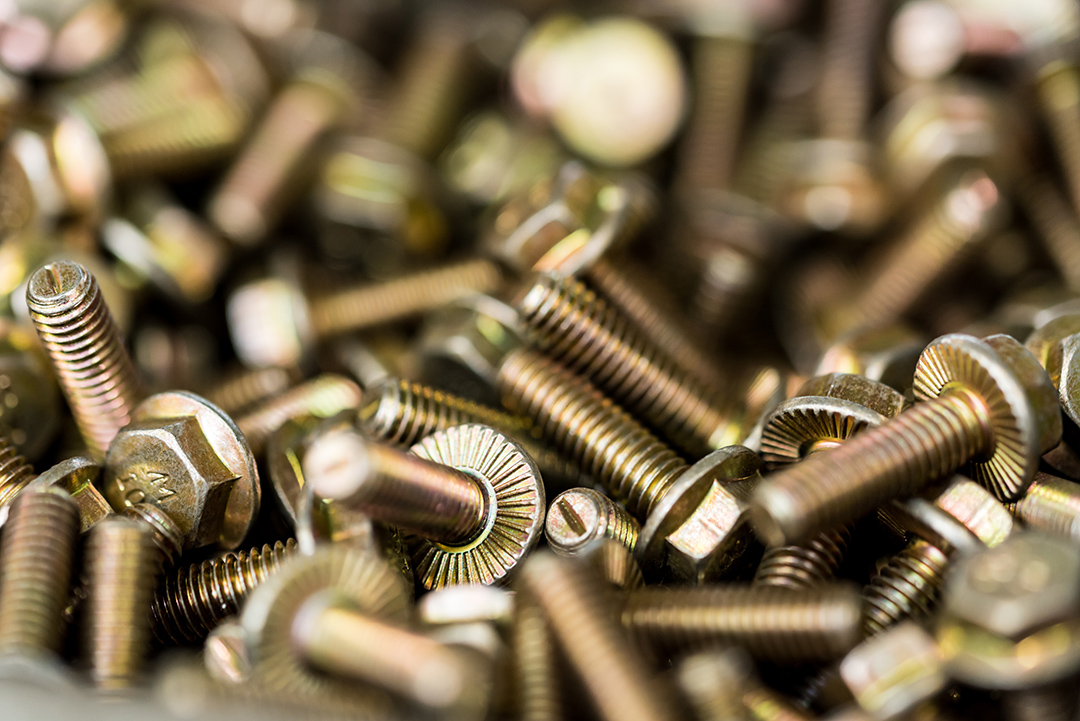
Ensuring long-term performance and safety in potable water systems starts with choosing the right materials. While the focus often falls on piping, gaskets, and valves, fasteners such as bolts and studs play an equally critical role. Selecting corrosion-resistant bolts designed specifically for potable water environments helps prevent leaks, maintain pressure integrity, and ensure compliance with public health standards.
For engineers and contractors working in municipal water facilities, wastewater treatment plants, and distribution networks, understanding the corrosion challenges in water applications is key to choosing the right bolting materials. Reviewing potable water system design guidelines can also help in evaluating materials that maintain water quality and long-term durability.
Understanding Corrosion in Potable Water Systems
Potable water systems present a unique combination of chemical, thermal, and environmental factors that accelerate corrosion. These include:
- Constant exposure to oxygenated water
- Presence of chlorine, fluoride, and other disinfectants
- Temperature fluctuations from ambient to hot water cycles
- Electrochemical reactions with dissimilar metals
When corrosion occurs, bolts can lose tensile strength, expand within flanges, or seize during maintenance. Over time, this can lead to leaks, contamination risks, or costly system downtime. Specifying specialty fasteners in stainless or alloyed grades ensures a longer service life and safer operation.
Key Considerations When Choosing Bolts for Potable Water
Several technical and regulatory factors should guide material selection for bolts used in potable water systems:
- Material Composition: The metal should resist pitting, crevice corrosion, and stress cracking in chlorinated or oxygen-rich water.
- NSF/ANSI 61 Compliance: Bolts must meet standards for materials in contact with drinking water.
- Galvanic Compatibility: Bolts and flanges should be made from metals with similar electrochemical potentials to prevent galvanic corrosion.
- Operating Environment: Consider temperature, humidity, and whether the application is submerged, buried, or exposed to air.
- Maintenance Accessibility: Choose materials that can be easily disassembled and reassembled for inspections or replacements.
For a deeper understanding of component compatibility and installation practices, Coastal RGP’s guide to flanges and gaskets provides valuable insight into ensuring leak-free connections across potable and industrial systems.
Common Corrosion-Resistant Bolt Materials
Choosing the right fastener material depends on water chemistry, pressure conditions, and long-term maintenance goals. Below is a comparison of common materials used in potable water applications.
| Material Type | Corrosion Resistance | Typical Use Case | Comments |
| 304 Stainless Steel | Good resistance to fresh water corrosion | General potable water applications | Cost-effective choice for non-chlorinated water systems |
| 316 Stainless Steel | Excellent resistance to chlorides and acids | Municipal water systems with chlorine exposure | Ideal for both submerged and above-ground environments |
| B8 and B8M Bolts (ASTM A193) | Superior corrosion performance and high tensile strength | High-pressure potable and wastewater applications | Manufactured to ASTM standards, ensuring consistency and durability |
| Coated Carbon Steel | Moderate resistance; depends on coating quality | Short-term or temporary installations | Not ideal for long-term potable water systems |
Coastal RGP supplies bulk corrosion-resistant bolts, including ASTM A193 bolts and B8 stainless steel bolts known for their strength and resistance to waterborne corrosion, ideal for potable and industrial use alike.
Comparing Bolt Options for Longevity and Performance
In potable water infrastructure, corrosion is not only a maintenance issue but also a regulatory one. The long-term cost of replacing degraded bolts or managing leaks often outweighs the initial investment in premium fasteners. The following comparison outlines performance metrics for different materials:
| Property | 304 Stainless | 316 Stainless | B8/B8M Alloy |
| Tensile Strength | 515 MPa | 515 MPa | 650 MPa |
| Chlorine Resistance | Moderate | Excellent | Excellent |
| Corrosion Resistance in Seawater | Fair | Very Good | Excellent |
| Service Life Expectancy | 10–15 years | 20+ years | 25+ years |
Integrating Bolts with Piping Systems
To achieve optimal performance, corrosion-resistant bolts must be paired with compatible piping materials and installation techniques. Coastal RGP provides a complete range of HDPE pipe systems and PVC piping solutions that complement stainless fasteners in potable and wastewater settings.
When designing or upgrading a water distribution network, engineers should also consider:
- Proper torque control to prevent overtightening, which can damage flanges and gaskets.
- Dielectric insulation kits to minimize galvanic corrosion between dissimilar metals.
- Protective coatings or wraps for buried systems exposed to soil moisture.
- Regular inspection intervals based on pressure ratings and exposure conditions.
For installation best practices, explore Coastal RGP’s article on flange bolt tightening procedures and methods for achieving uniform gasket compression in critical systems.
Ensuring Water Safety and Compliance
Potable water components are governed by strict standards to ensure material safety. Engineers should always confirm that bolt materials meet certifications from organizations such as:
- NSF/ANSI 61: Certifies components for safe contact with drinking water
- AWWA C111/A21.11: Specifies mechanical joint standards for water supply systems
- ASTM A193/A194: Covers alloy and stainless-steel bolting for high-pressure service
Using certified products from trusted suppliers like Coastal Resource Group helps ensure compliance while reducing project risk and long-term maintenance costs.
Partnering with Coastal Resource Group for Reliable Water Infrastructure
Coastal Resource Group is a trusted distributor of corrosion-resistant bolts, flanges, and piping components for potable and industrial water systems. With extensive experience in stainless steel and HDPE solutions, the company supports municipalities, contractors, and engineers across Texas and beyond with reliable materials and responsive service. Coastal RPG offers customers:
- A wide selection of industrial flange bolts and fasteners for water and wastewater systems
- High-grade 316 stainless steel pipes for potable and chemical applications
- A full catalog of HDPE piping for corrosion-free fluid transport
- Engineering support and custom sourcing through specialty services
From corrosion-resistant studs to complete water distribution systems, Coastal RGP delivers the expertise and materials needed for long-term durability and compliance. Contact the company today to learn how their products can enhance the integrity of your next potable water project.