
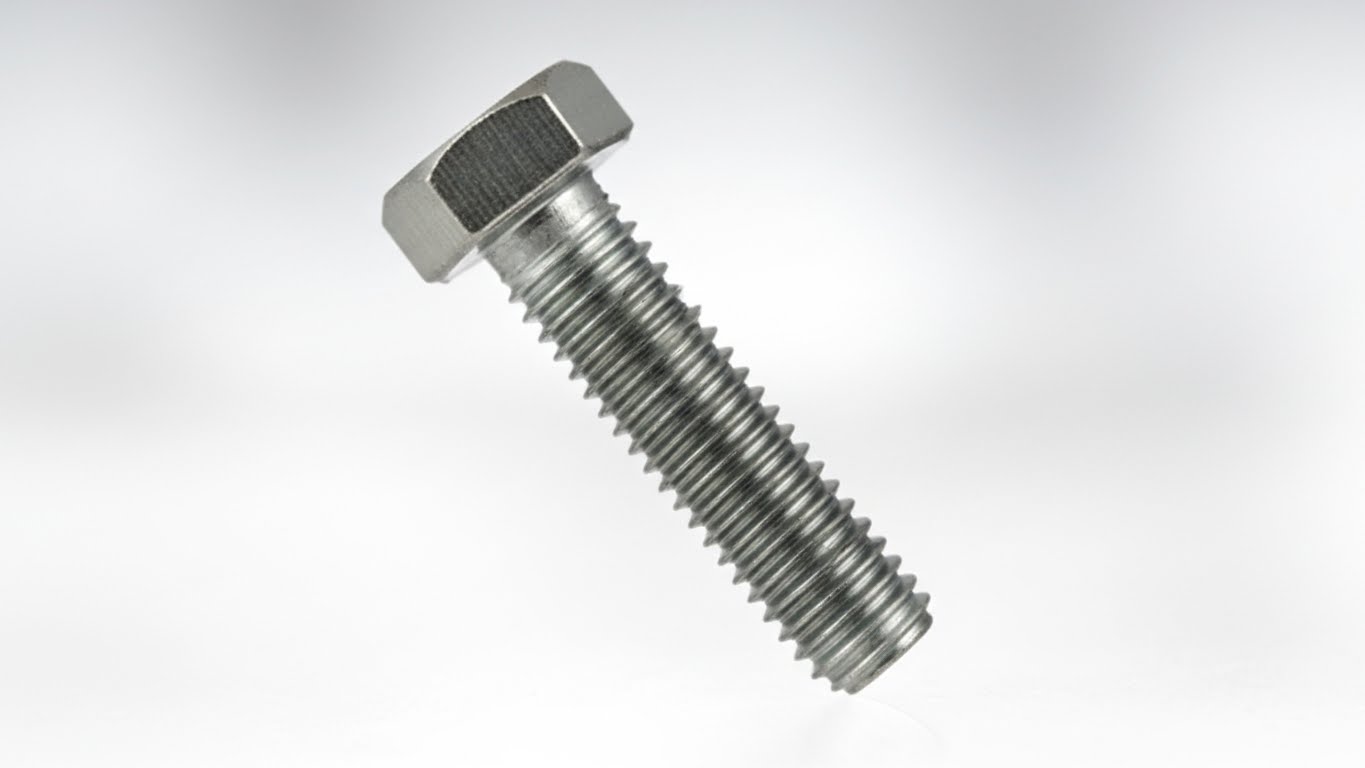
Bolting systems in oil and gas infrastructure are exposed to some of the harshest mechanical and environmental conditions found in an industrial setting. From offshore drilling rigs to refinery units, every fastener must perform under extreme temperatures, high pressures, and corrosive atmospheres. Among the many fastener grades available, ASTM A193 B7 bolts have become a standard choice in oilfield operations due to their strength, heat resistance, and reliability.
Understanding why heat-treated B7 bolts are preferred involves exploring both the metallurgical science behind their manufacturing and the operational advantages they provide in demanding oil and gas environments.
Understanding the Role of B7 Bolts in Energy Operations
B7 bolts are alloy steel fasteners specifically designed to maintain mechanical integrity in environments where pressure, heat, and vibration converge. According to ASTM A193 standards, these bolts are produced from chromium-molybdenum steel and undergo a heat treatment process that enhances their tensile strength and toughness. Their widespread use spans:
- Wellhead assemblies and pressure vessel connections
- Flanged joints in refineries and chemical processing plants
- Pump housings, valve bodies, and heat exchangers
- Compressor systems and pipeline flanges
Each application demands high clamping force and resistance to temperature cycling, both of which depend on proper heat treatment and material consistency.
The Heat Treatment Process and Its Mechanical Advantages
The heat treatment process transforms the microstructure of alloy steel to improve strength, ductility, and resistance to fatigue. The process typically involves:
- Quenching: Rapid cooling of the bolt after heating to a high temperature, locking in a hardened structure.
- Tempering: A controlled reheating of a bolt to relieve internal stresses and restore flexibility.
- Testing and inspection: Hardness and tensile tests to confirm compliance with ASTM A193 specifications.
According to the National Institute of Standards and Technology (NIST), this process enhances structural uniformity and ensures predictable performance under repeated stress cycles. These high-strength bolts can maintain yield strengths up to 105 ksi (kilopounds per square inch), making them ideal for applications where failure could result in leaks or catastrophic downtime.
Performance Benefits in Harsh Oilfield Environments
Oil and gas facilities operate in conditions that accelerate corrosion and metal fatigue. B7 bolts perform reliably in both surface and subsurface installations where standard carbon steel fasteners would degrade quickly. Their benefits include:
- High tensile and yield strength: Enables secure flange connections in pipelines and pressure vessels.
- Thermal resistance: Maintains bolt preload even when exposed to sustained heat from process equipment.
- Reduced risk of galling and seizing: Particularly when used with properly matched nuts and lubricants.
- Enhanced safety compliance: Meets key industry requirements defined by OSHA and ASTM testing protocols.
Combined with corrosion-resistant coatings or pairing with industrial flanges and gasket assemblies, B7 bolts can significantly extend system life in offshore, onshore, and downstream operations.
Industry Standards and Compliance Requirements
To ensure safety and consistency, B7 bolts are governed by ASTM A193/A193M specifications, which outline requirements for alloy steel and stainless steel fasteners used in pressure systems. These standards define parameters for tensile strength, yield, elongation, and hardness.
In addition, the U.S. Department of Energy notes that material selection and fastener integrity are key factors in preventing leaks and maintaining process safety in refineries and pipeline networks. Compliance audits often review both documentation and physical traceability of heat-treated bolts, ensuring each unit is manufactured and tested according to recognized standards.
Key Considerations When Selecting Bolts for Oil and Gas Operations
Choosing the right fastener involves more than just tensile ratings. Engineers must evaluate multiple operational factors to ensure long-term safety and performance.
- Temperature Range: Select bolts rated for both high process heat and subzero conditions encountered in offshore installations.
- Pressure Requirements: Verify compatibility with flange class and gasket load specifications.
- Material Compatibility: Ensure chemical compatibility between bolts, nuts, gaskets, and connected components.
- Surface Protection: Apply coatings or platings to mitigate oxidation and hydrogen embrittlement.
- Maintenance Access: Choose configurations that allow efficient torque checks and replacements during scheduled shutdowns.
Regular inspections and torque verifications are critical. Resources such as the American Petroleum Institute (API) guidelines provide detailed recommendations on fastener maintenance intervals and inspection criteria for pressure systems.
Integrating Heat-Treated Bolts with Other Pipeline Components
Bolts function as part of a larger connection system that includes flanges, gaskets, and HDPE or steel pipe segments. Using compatible materials reduces the potential for galvanic corrosion and differential expansion under temperature changes. Coastal Resource Group offers a wide selection of flanges and gasket solutions that align with B7 bolt assemblies.
Proper torque application also plays a major role in joint integrity. Referencing guides like flange bolt installation and tightening procedures ensures even compression across gasket surfaces, minimizing the risk of leaks and blowouts.
Advancements in Heat Treatment and Quality Control
Recent innovations in industrial heat treatment, including vacuum hardening and controlled atmosphere furnaces, have improved precision and consistency in B7 bolt production. Automated testing technologies now allow real-time monitoring of hardness gradients and structural properties, reducing variability and increasing traceability.
Manufacturers adhering to ISO 9001 quality management systems can provide buyers with the assurance that each batch of bolts meets stringent specifications, from raw material certification to final inspection.
Strengthening Oilfield Operations with Coastal Resource Group Expertise
Reliable fastening systems are vital to maintaining the integrity, safety, and performance of oil and gas infrastructure. Coastal Resource Group supplies precision-engineered, heat-treated B7 bolts in bulk that meet ASTM A193 standards and perform consistently under the toughest field conditions. We offer:
- An extensive inventory of oilfield-grade bolts, nuts, and flanges
- Products engineered for high-pressure and high-temperature environments
- Specialty sourcing solutions at our warehouse locations
- Multiple Texas locations, ensuring fast fulfillment and on-site assistance
Coastal Resource Group offers technical expertise and dedication to quality, helping energy operators reduce risk, extend equipment life, and maintain compliance with stringent industry standards. If you’d like to discuss your project needs, receive guidance on product selection, or request a quote, contact us today to speak with one of our fastener specialists.