HDPE Applications and Uses in Municipal Water Distribution

HDPE PN 6 pipes are widely used in municipal water distribution systems that require moderate operating pressure and long-term reliability. Their 6 bar pressure rating makes them suitable for secondary water mains, rural supply lines, and expanding infrastructure networks. With excellent corrosion resistance and leak-free fusion joints, HDPE PN 6 supports dependable public water delivery while reducing maintenance demands.
HDPE Applications and Uses in Agriculture & Irrigation
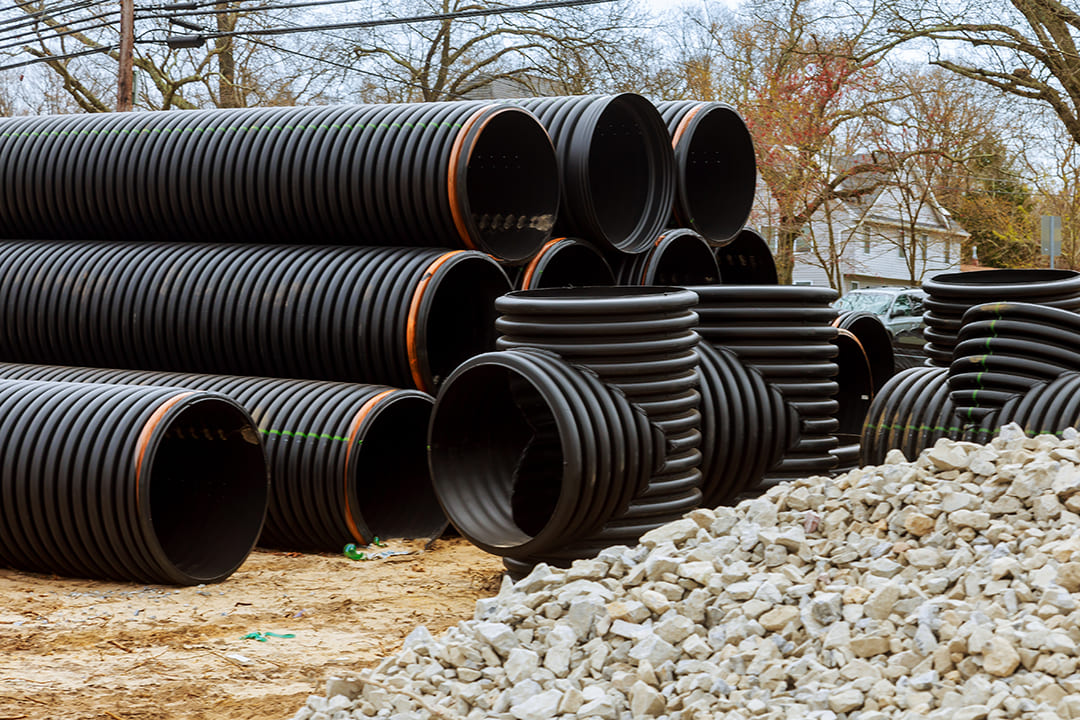
Agricultural operations rely on HDPE PN 6 piping for pressurized irrigation systems, pump discharge lines, and water transfer applications. The added pressure capacity compared to lower PN ratings allows for efficient water movement across larger fields and varied elevations. Its resistance to fertilizers, chemicals, and environmental stress ensures consistent seasonal performance.
HDPE Applications and Uses in Industrial Facilities

Industrial plants use HDPE PN 6 pipes for process water lines, cooling systems, and moderate-pressure fluid transfer. The material’s durability and resistance to abrasion and chemical exposure make it well suited for manufacturing environments where reliability and safety are essential. Lightweight construction also simplifies installation within complex facility layouts.
HDPE Applications and Uses in Mining & Resource Operations
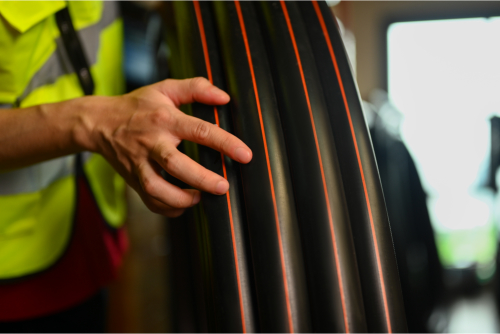
Mining and resource extraction projects utilize HDPE PN 6 piping for water supply, slurry support lines, and site utility systems operating under moderate pressure. The pipe’s flexibility accommodates ground movement and challenging terrain, while its corrosion resistance helps extend service life in harsh environmental conditions.
HDPE Applications and Uses in Commercial & Infrastructure Development

Commercial developments and infrastructure projects depend on HDPE PN 6 pipes for site utilities, fire water support lines, and pressurized drainage systems. Contractors benefit from efficient handling and fusion-welded connections that minimize leak risks. The result is a durable, cost-effective piping solution built to support long-term infrastructure performance.

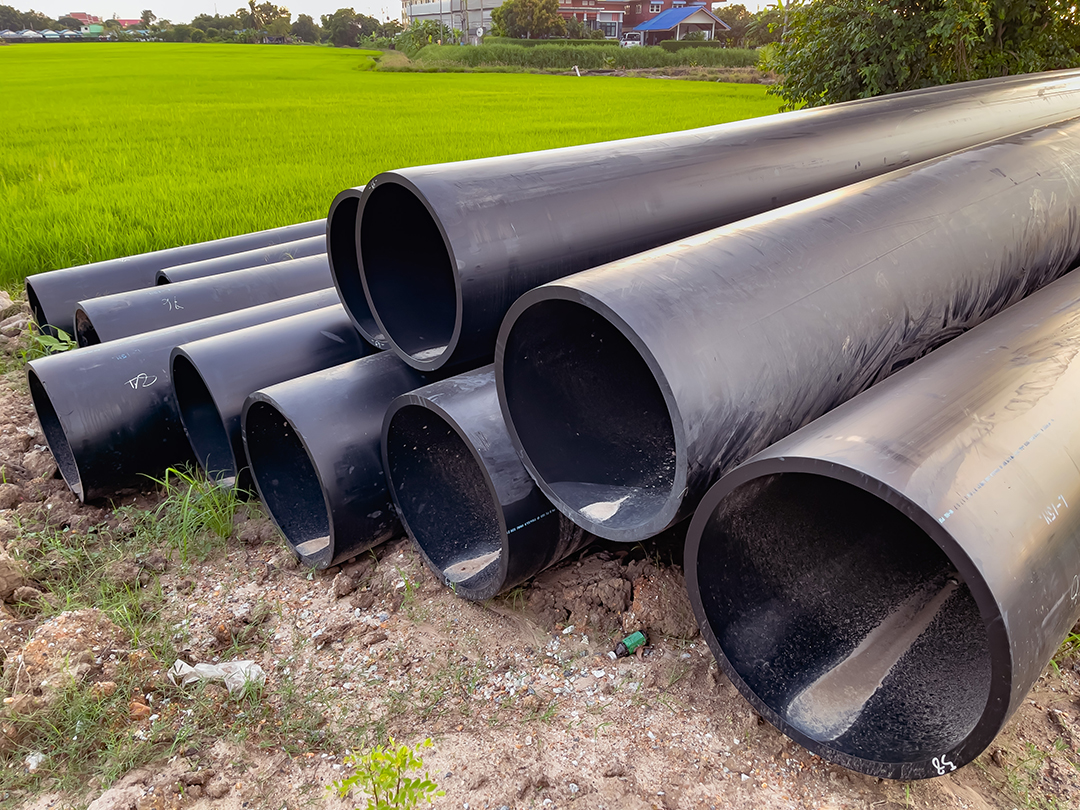


 Coastal Resource Group offers durable, high-performance HDPE pipes in various sizes and pressure ratings for diverse industrial applications.