
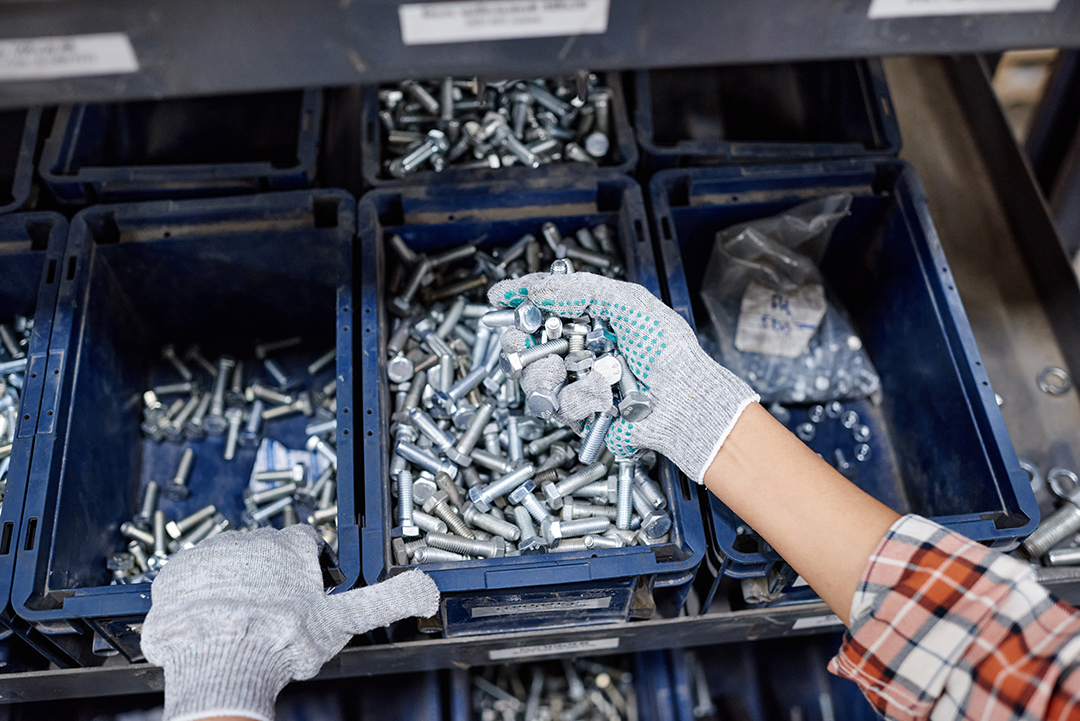
The performance and reliability of bolted joints determine the overall safety and uptime of chemical processing plants. Every connection exposed to pressure, heat, or aggressive chemicals must use fasteners built to industrial standards. Among the most trusted materials are ASTM A193 B7 and B8 bolts, commonly installed in flanges, reactors, and heat exchangers. Each grade offers unique benefits in mechanical strength, corrosion resistance, and long-term stability. Knowing the key distinctions between them allows engineers and maintenance teams to optimize equipment reliability and lifecycle performance across process plant operations.
Overview of Bolt Grades in Chemical Processing Applications
The ASTM A193 standard covers alloy and stainless steel bolting materials designed for high-temperature or high-pressure service. B7 and B8 bolts belong to this classification but differ in both their metallurgy and intended use. While B7 is a chromium-molybdenum steel used in general industrial service, B8 bolts are made from austenitic stainless steel engineered for corrosion-prone environments.
In chemical plants where acid vapors, steam, or caustic solutions are present, material selection must balance strength and corrosion resistance. The choice between B7 bolts and B8 bolts depends on exposure conditions, process media, and maintenance expectations.
Material Composition and Metallurgical Properties
The key difference between B7 and B8 bolts lies in their chemical composition and how that affects performance under load and exposure. Each material grade is engineered for specific service conditions found in process plants and industrial environments.
- B7 Bolts: Manufactured from quenched and tempered chromium-molybdenum alloy steel, typically equivalent to ASTM AISI 4140 or 4142. This alloy provides high tensile and yield strength, making it suitable for applications that involve high pressure and temperatures where corrosion exposure is limited.
- B8 Bolts: Produced from austenitic stainless steel, equivalent to Type 304. The combination of chromium and nickel forms a passive oxide layer that resists oxidation and rust. The B8M version, made from Type 316 stainless steel, contains molybdenum that enhances protection against pitting and chloride corrosion in chemical or marine environments.
These material differences define how each bolt responds to acids, alkalis, and chlorides commonly encountered in process and refinery applications.
Mechanical Properties and Performance Under Pressure
B7 bolts are widely used for their strength and dependability in high-pressure and high-temperature systems such as reactors, compressors, and pipeline joints.
- Typical tensile strength above 125 ksi after heat treatment ensures bolts maintain stability under heavy loads and thermal stress.
- Often used in bolted connections within carbon steel or alloy steel assemblies where corrosion is not a major concern.
In comparison, B8 bolts provide moderate tensile strength of about 75 ksi but offer higher ductility and superior resistance to corrosion.
- Ideal for environments where moisture or chemical exposure could compromise alloy steels.
- Suitable for stainless piping systems, condensers, and chemical storage tanks.
B7 bolts deliver high mechanical endurance, while B8 bolts maintain long-term integrity in corrosive or humid atmospheres. Both contribute to system safety and reliability, depending on environmental and operational requirements.
Corrosion Behavior and Environmental Resistance
Chemical processing plants often operate with a mix of water, acids, solvents, and steam, all of which accelerate corrosion. B8 stainless steel bolts resist uniform corrosion and chloride pitting far better than alloy steels. The chromium oxide layer formed on their surface regenerates naturally, even after minor scratches or wear.
B7 alloy steel, though mechanically strong, is vulnerable to rust and hydrogen embrittlement when exposed to acidic or wet environments. Protective coatings like zinc plating or PTFE can delay degradation, but do not offer permanent protection. As a result, B7 is best applied in dry process zones, whereas B8 is preferred for piping systems carrying water, caustic chemicals, or steam.
In chloride-rich environments, engineers often specify the ASTM A193 B8M grade, which offers improved pitting resistance due to its molybdenum content. This makes it a standard choice in facilities handling chlorinated solvents, seawater brine, or acid gases.
Thermal Performance and Heat Resistance
Temperature exposure is a key factor in choosing the right bolt grade for industrial applications. B7 bolts can handle service temperatures up to 800°F (427°C) while maintaining their mechanical strength through repeated thermal cycles. This capability makes them a strong choice for high-pressure steam systems, hydrocarbon service, and equipment that experiences fluctuating heat levels.
B8 bolts provide excellent oxidation resistance at comparable or higher temperatures, although their tensile strength is lower. Their ductility allows them to absorb expansion and contraction without cracking, even in prolonged heat exposure. In environments that combine high temperatures with chemical activity, such as condensers and acid processing vessels, B8 bolts offer a balanced mix of reliability, corrosion protection, and long service life.
Comparative Table of B7 and B8 Bolt Properties
Engineers evaluating fastener options in chemical processing must consider both mechanical and environmental demands. The choice between B7 bolts and B8 bolts often comes down to balancing tensile strength with corrosion resistance. The table below summarizes the key material and performance differences between these two grades, helping design teams align bolt selection with system requirements and operating conditions.
| Property | ASTM A193 B7 | ASTM A193 B8 |
| Material Type | Alloy steel (Cr-Mo) | Austenitic stainless steel (Type 304) |
| Corrosion Resistance | Low, requires coating | High, inherent resistance |
| Tensile Strength | 125–150 ksi | 75–100 ksi |
| Temperature Capability | Up to 800°F (427°C) | Up to 870°F (465°C) |
| Common Use | Steam lines, pressure vessels, and mechanical joints | Chemical systems, heat exchangers, and stainless piping |
Application Considerations in Process Plant Design
When designing or maintaining process plant systems, bolt selection depends on chemical exposure, pressure ratings, and maintenance schedules. In reactors and piping that handle corrosive media, B8 stainless steel fasteners provide greater reliability and fewer replacement cycles. For non-corrosive service, B7 bolts deliver cost-effective strength and stability.
In mixed-material systems, galvanic corrosion may occur if stainless and carbon steel components are in contact. Engineers can prevent this through insulation washers or by matching materials within the same alloy family. Proper torque and preload monitoring also ensure uniform stress distribution, minimizing failure risk during long-term operation.
Inspection and Maintenance Practices
Routine inspection is necessary to maintain the integrity of bolted joints in chemical facilities. Visual checks for discoloration, rust, or cracking help identify potential issues before they compromise plant safety. For B7 fasteners, protective coating inspection and reapplication should be part of scheduled maintenance. For B8 bolts, cleaning and re-passivation maintain corrosion resistance and mechanical reliability.
Using torque verification and ultrasonic testing can detect overstressed bolts or hidden fatigue damage, supporting proactive maintenance and reducing downtime.
Cost Considerations and Lifecycle Economics
While B7 bolts typically have lower initial costs, their shorter lifespan in corrosive environments increases total ownership expenses. Replacement labor, downtime, and safety risks can outweigh the savings on material cost. B8 bolts, though more expensive upfront, offer long-term value through reduced maintenance and better resistance to chemical attack.
In plants handling acids, chlorides, or high-moisture media, specifying stainless steel bolts can result in lower lifetime costs and fewer unplanned shutdowns. The balance between capital investment and operational stability often favors B8 grades in chemical environments.
How Coastal Resource Group Supports Industrial and Chemical Projects
Coastal Resource Group supplies certified ASTM A193 B7 and ASTM A193 B8 bolts for industrial and chemical applications. The company delivers complete fastening and material solutions designed to meet the specifications of modern process plants. Coastal Resource Group offers customers:
- Certified inventory: Traceable, fully documented bolts tested for mechanical and chemical compliance.
- Technical consultation: Expert guidance on selecting the proper material for each process environment.
- Efficient logistics: Rapid delivery through regional facilities serving key industrial markets in Texas and beyond.
- Comprehensive sourcing: Access to carbon steel, stainless, and specialty alloy products for complete project integration.
- Round-the-clock support: 24/7 assistance ensuring contractors and engineers get reliable materials when needed.
Coastal Resource Group partners with chemical processors, EPC firms, and maintenance contractors to supply reliable fasteners that meet performance and compliance standards. Contact Coastal today to request a quote and experience trusted support for your next project.