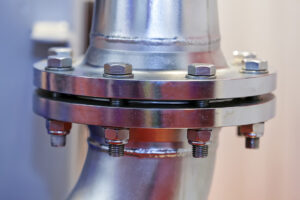
Reliable Sealing on HDPE to Steel Flange Transitions
When a polyethylene pipeline connects to a steel system, the joint must accommodate two materials with very different mechanical behavior. HDPE can relax under sustained

When a polyethylene pipeline connects to a steel system, the joint must accommodate two materials with very different mechanical behavior. HDPE can relax under sustained
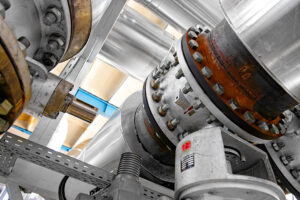
Flanged joints are everywhere in the downstream oil & gas sector, from refinery pipe racks and fractionation units to gas plants, terminals, and petrochemical systems,
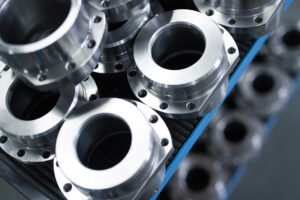
Food and beverage processing environments place constant pressure on piping connections due to repeated washdowns, thermal cycling, and chemical exposure. Flanged joints are often evaluated
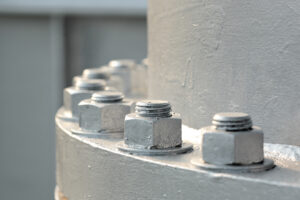
Leaks at bolted flange joints rarely appear without warning. A slight odor, a damp flange rim, or a stain trail can be seen long before
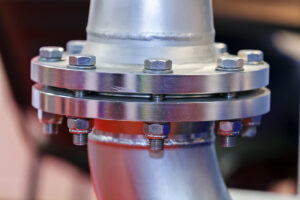
Geothermal energy systems rely on piping networks that operate under continuous temperature variation and internal pressure. Within these systems, flanged joints are used to connect

Water treatment facilities rely on precise mechanical interfaces to maintain flow integrity, manage pressure, and support long service life. Within high-density polyethylene piping networks, flange

Mining process lines operate in harsh conditions—abrasive media, constant vibration, thermal cycling, and frequent maintenance intervention. In this environment, even minor assembly errors can
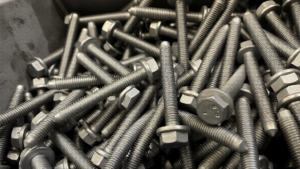
B8 bolts play a critical role in maintaining joint integrity across industrial piping systems where pressure, temperature, and vibration intersect. These fasteners, manufactured from austenitic
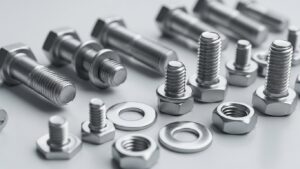
Food and beverage processors depend on equipment that meets strict hygienic, structural, and regulatory expectations. While tanks, conveyors, piping systems, and automated handling equipment receive