
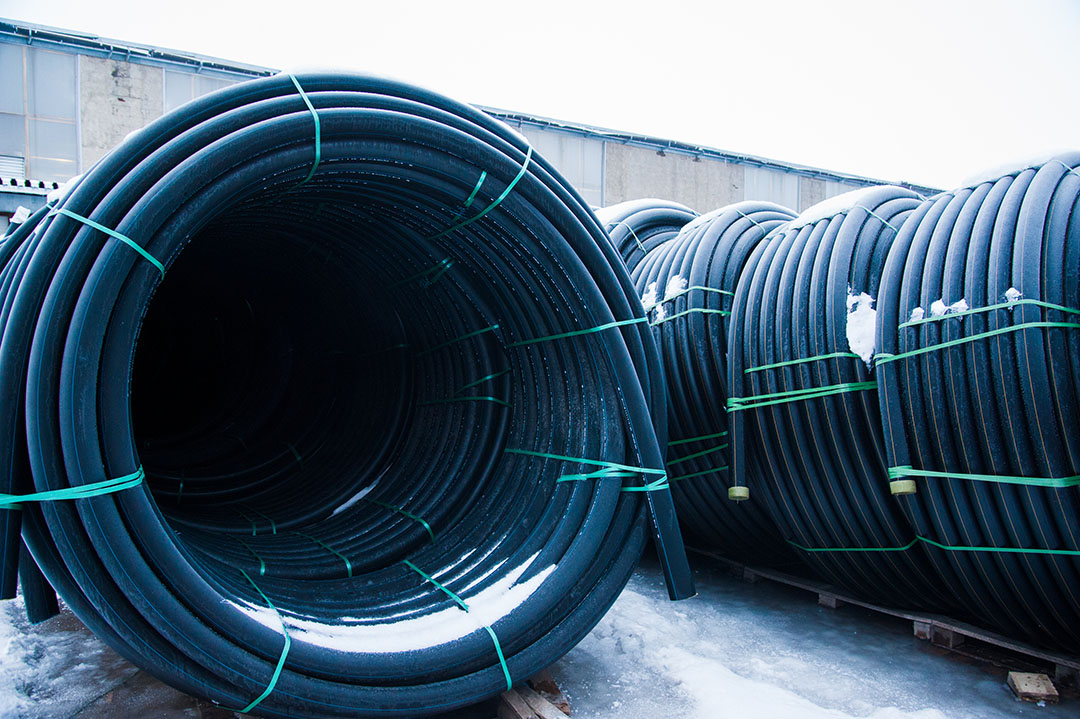
A fusion joint that looks perfect on a mild afternoon can fail on a job run at 20 degrees with wind cutting across the site. HDPE pipe does not stop working in cold weather, but the installation process changes enough that skipping the adjustments puts the joint at risk.
Texas crews do not deal with this every week, but winter cold fronts, early morning freezes, and West Texas high-desert nights bring it up more than people expect. Here is what actually changes when the temperature drops.
Why This Matters on Texas Jobsites, Not Just Northern Climates
Cold weather fusion guidance often gets written with northern utilities in mind, which leads some Texas crews to assume it does not apply to them. That assumption causes problems on the handful of days a year when it matters most.
West Texas and the Permian Basin see hard overnight freezes in winter, and a job that starts before sunrise on a January morning in Midland or Odessa can hit temperatures well below the point where fusion procedures need adjusting. Early morning starts on gathering line or water transfer projects are common in the oilfield, and a crew that shows up expecting standard fusion conditions can end up making joints in temperatures that call for a shelter and heater setup they did not bring.
The safest approach is to check the forecast the night before, not the morning of, and have a shelter and heater plan ready any time the overnight low is projected near or below freezing.
Why HDPE Gets More Brittle as It Gets Colder
HDPE pipe does not become unusable in the cold, but its modulus of elasticity increases as temperature drops, which raises the risk of impact-related cracking during handling. Pipe that would flex without issue on a warm day can crack if it is dropped or struck at freezing temperatures.
That is a handling issue more than a performance issue once the pipe is installed and in service. Rated PE 4710 HDPE pipe still performs at its designed pressure class in cold climates. The risk window is during transport, staging, and installation, not during long-term operation underground where soil temperature stays far more stable than the surface air.
What Changes During Fusion in Cold Weather
Fusion is where cold weather actually affects the outcome. According to the Plastics Pipe Institute’s guidelines for fusing HDPE pipe in cold and inclement weather, butt fusion is generally not recommended below negative 4 degrees Fahrenheit without a shelter and auxiliary heating, and best practice calls for raising the local temperature at the fusion site above 32 degrees, ideally above 40 degrees, before starting the joint.
Cold pipe takes longer to reach melt state during heating, so heating time has to increase to compensate. The heater plate temperature itself should never be adjusted to compensate for cold conditions, since PPI guidance specifically calls for keeping the heater plate within its standard 400 to 450 degree Fahrenheit range regardless of ambient temperature. Only the heating time and shelter setup change, not the fusion parameters themselves.
Wind adds a second variable on top of temperature. Exposure to wind during the fusion process can cause uneven cooling across the heater plate and joint face, which is why a windbreak or full enclosure matters even when the air temperature alone would not require one.
Field Adjustments That Actually Matter
A handful of practical steps separate a clean cold weather fusion from a compromised one:
- Shelter the fusion equipment and both pipe ends from wind and precipitation before starting the joint
- Use portable heaters to raise the enclosure temperature above freezing before fusing
- Remove snow, ice, or melted ice from stored pipe before handling it
- Plug or cap open pipe ends to reduce wind chilling inside the pipe bore
- Increase heating time to account for the pipe reaching melt temperature more slowly in the cold
Skipping any one of these does not always cause an immediate failure, but it increases the odds of a weak joint that shows up later as a leak or separation under pressure. A joint that fuses correctly but cools unevenly because of wind exposure can look visually acceptable and still carry a hidden weakness that only surfaces once the line is pressurized and in service.
Handling and Storage Deserve as Much Attention as Fusion
Dropped pipe in freezing conditions is a real risk that gets overlooked on cold jobsites. A pipe section that would bounce off a piece of equipment without damage in summer can crack on impact when the material is cold and brittle. Any pipe dropped in freezing conditions should be flagged, pulled from the run, and inspected before it goes back into service.
Staging pipe off the ground, away from standing water that can freeze around it, and covering coiled pipe with tarps ahead of a fusion run all reduce the chance of starting the job with compromised material. Crews should also inspect coiled pipe for flat spots or surface stress marks after cold transport, since stiffened material can pick up handling damage during unloading that would not show up in warmer conditions.
What Does Not Change in Cold Weather
The pipe’s rated pressure class, DR rating, and long-term performance underground are not affected by installing it in cold conditions, provided the fusion joints were made correctly. HDPE’s buried service performance depends on soil temperature stability, not surface air temperature during the week it went in the ground.
That distinction matters for procurement teams asking whether cold weather installation means ordering a different material grade. It does not. It means adjusting the installation process and giving the crew the right shelter and heating setup, not swapping the pipe spec.
How Coastal Resource Group Supports Winter Installations
Running a cold weather fusion job without the right shelter and heating setup is where installs go wrong, not the pipe spec itself. Coastal Resource Group stocks the full HDPE DR and PE grade range alongside McElroy fusion machine rentals, so crews facing a winter installation window can get equipment lined up before the cold front arrives rather than scrambling once it does. Projects across Texas pipeline construction jobs benefit from having pipe and fusion equipment sourced together ahead of a forecasted freeze.
If you have a cold weather installation coming up and want to walk through the fusion setup or pipe handling plan, call 888-841-7954 or contact us and we will help you get the jobsite ready before the temperature drops.