
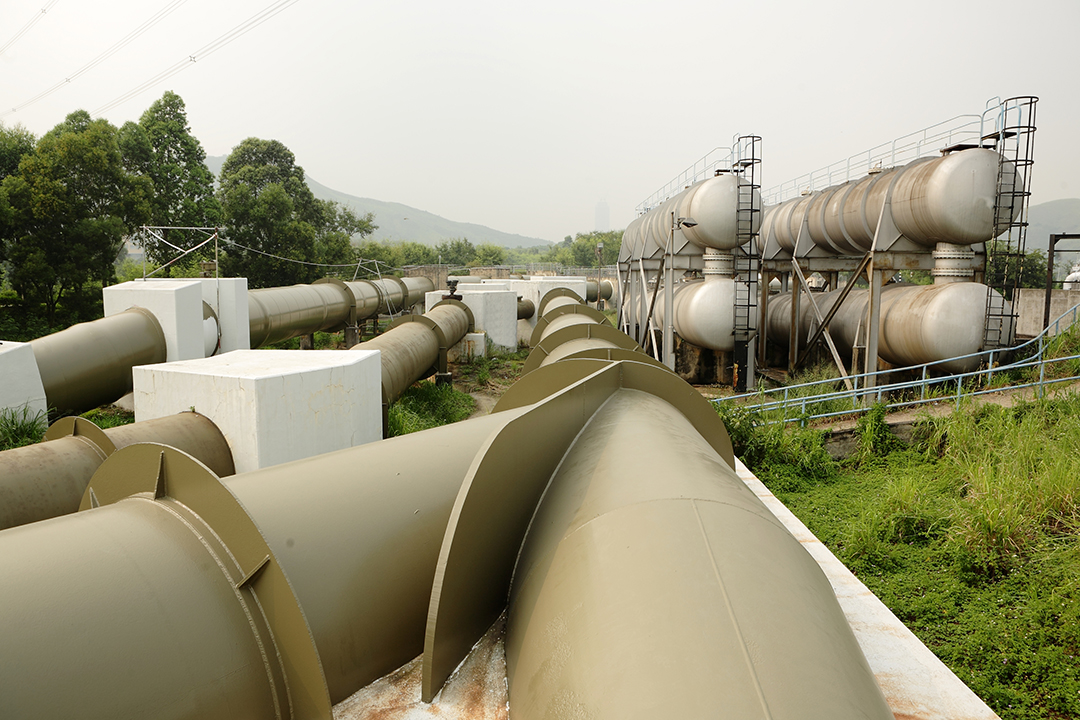
Water infrastructure is the backbone of municipal development, ensuring safe distribution and efficient management of this vital resource. Across the United States, cities are seeking modern solutions that not only improve performance but also align with sustainability goals. High Density Polyethylene (HDPE) pipe has become a central material in this transformation, recognized for durability, flexibility, and reduced environmental impact. With growing demand for green water pipe options, municipalities are turning to HDPE technology to achieve long-term efficiency and environmental responsibility.
Growing Importance of Sustainable Municipal Water Systems
Municipal water systems face increasing challenges, including population growth, aging infrastructure, and stricter environmental regulations. Traditional materials such as ductile iron or PVC often require frequent maintenance or replacement, leading to higher lifecycle costs and increased carbon emissions. By comparison, municipal HDPE systems extend service life while offering eco-conscious benefits. The material is resistant to corrosion, chemical exposure, and microbial growth, ensuring consistent water quality without the risk of leaching harmful substances.
Sustainability goals also influence funding decisions. Government agencies often prioritize grants and budget allocations for projects that integrate eco piping solutions. This makes HDPE pipe an attractive choice not only from a technical perspective but also from a financial planning standpoint.
Material Properties Driving the Shift to HDPE
HDPE pipe delivers a unique combination of properties that make it ideal for municipal use. Engineers value its strength-to-density ratio, while project managers appreciate its cost-saving potential over the long term. Key characteristics include:
- Flexibility: HDPE can bend without breaking, reducing the need for fittings in curved installations.
- Leak-free fusion joints: Heat fusion technology creates homogenous joints that eliminate common leakage issues.
- Corrosion resistance: Unlike steel or iron, HDPE is not susceptible to rust or scaling.
- Long service life: Pipes often exceed 50 years of reliable operation, reducing replacement frequency.
Together, these attributes lower operational costs while minimizing environmental risks such as groundwater contamination and excessive material waste. The use of green water pipe designs also demonstrates a municipality’s commitment to sustainable growth.
Applications of HDPE in Modern Water Infrastructure
Municipalities deploy HDPE pipe in a wide range of systems, handling both potable and non-potable networks with reliability. The versatility of HDPE pipe allows cities to meet regulatory requirements while lowering long-term costs. The following applications demonstrate the adaptability of eco piping solutions in municipal operations.
Potable Water Distribution
HDPE is widely approved for drinking water delivery, providing safe transport from treatment plants to end users. Its smooth interior surface reduces friction losses, improving hydraulic efficiency while lowering pumping costs. Resistance to biofilm and chemical leaching preserves water purity throughout the distribution system, a factor that supports compliance with public health standards.
Sewer and Wastewater Management
Municipal sewer networks benefit from HDPE’s strength and abrasion resistance. Gravity lines and force mains experience fewer blockages and breaks due to the pipe’s ability to withstand heavy flow and aggressive waste streams. Leak-free fusion joints reduce inflow and infiltration problems, limiting the risk of environmental contamination and expensive treatment of stormwater entering sanitary systems. Selecting the appropriate SDR rating ensures optimal performance in these demanding applications.
Stormwater Control
Storm drainage systems must endure sudden surges and external loads. HDPE pipe provides the required structural stability while being light enough for rapid installation in urban and suburban developments. Its flexibility allows installation under roads and highways without compromising durability, helping municipalities manage runoff effectively even during extreme weather events.
Industrial and Reclaimed Water
HDPE is also applied in reclaimed water and industrial reuse systems, where chemical resistance and longevity are critical. Cities integrate municipal HDPE systems into irrigation networks, cooling water loops, and process pipelines to reduce reliance on potable sources. This approach conserves fresh water, lowers operational costs, and aligns with sustainability goals for resource management.
Lifecycle Benefits of Municipal HDPE Systems
Decision-makers increasingly evaluate materials based on lifecycle analysis. HDPE excels in this assessment, offering tangible advantages beyond initial installation:
| Lifecycle Stage | Benefits of HDPE Pipe |
| Installation | Lightweight sections reduce labor and equipment costs |
| Operation | Fusion joints minimize leaks and water loss |
| Maintenance | Corrosion resistance lowers routine inspection and repair needs |
| End of Life | Material can be recycled, supporting green infrastructure goals |
These advantages make HDPE one of the leading eco piping solutions in modern infrastructure planning. With municipalities under pressure to manage both financial and environmental performance, the value proposition is clear.
Environmental Benefits of Green Water Pipe Technology
Sustainability metrics have become part of every infrastructure project. HDPE pipe addresses environmental priorities in several ways:
- Lower carbon footprint: Production and transportation of HDPE consume less energy compared with heavier materials.
- Reduced water loss: Fusion joints prevent leakage, conserving millions of gallons over decades.
- Support for circular economy: Recycled HDPE material can be incorporated into new pipe, lowering demand for virgin resources.
- Minimized land disruption: Trenchless installation methods reduce environmental impact during construction.
When municipalities adopt green water pipe strategies, they not only improve infrastructure performance but also demonstrate environmental stewardship. These actions support broader sustainability commitments such as carbon reduction targets and water conservation policies.
Challenges and Best Practices in Municipal HDPE Deployment
Adopting HDPE pipe at the municipal level involves more than selecting the material. To achieve consistent results and long service life, project teams must address operational challenges related to installation, quality assurance, and system compatibility. Proactive planning ensures that municipal HDPE systems deliver on both performance and sustainability goals.
Workforce Training
Heat fusion is the defining feature of HDPE, creating leak-free joints that behave as a single piece of pipe. However, improper fusion can compromise integrity and lead to costly failures. Municipalities benefit from structured training programs led by certified instructors and equipment suppliers. Proper fusion techniques combined with hands-on instruction in machine operation, pressure testing, and quality inspection minimize installation errors and build long-term confidence in eco piping solutions.
Standards and Compliance
Consistency in materials and practices is critical for public water systems. Adhering to recognized specifications such as AWWA C906, ASTM D3035, and ISO guidelines ensures that every pipe section meets industry benchmarks. Beyond engineering assurance, compliance also influences regulatory approval and funding eligibility. By requiring suppliers and contractors to follow these frameworks, municipalities reduce liability while reinforcing trust with stakeholders.
System Integration
Many cities still operate legacy networks composed of iron, steel, or PVC. Integrating HDPE into these systems requires careful transition planning. Temporary hybrid configurations may be necessary, using mechanical couplings or specialized fittings to connect dissimilar materials. Engineers must evaluate hydraulic compatibility, pressure ratings, and long-term maintenance strategies to avoid weak points. With proper planning, HDPE can gradually replace outdated infrastructure while maintaining uninterrupted service.
When municipalities invest in trained crews, follow established standards, and plan carefully for integration, they unlock the full value of municipal HDPE systems and secure reliable service for the future.
Reliable Supply Partner for Sustainable Water Projects
Municipal projects depend on suppliers who can keep schedules tight and materials dependable. Coastal Resource Group provides the products and expertise needed to support sustainable water infrastructure with confidence. From HDPE systems to specialized equipment, their role goes beyond delivery and becomes an extension of project success. Our partners enjoy:
- Comprehensive inventory covering HDPE pipe, fittings, valves, and welding equipment.
- Fusion machine rentals with training support to ensure precise installation.
- Fast delivery from Texas to the Gulf Coast and beyond, minimizing downtime.
- 24/7 availability with responsive representatives ready to handle urgent supply needs.
- Focus on eco piping solutions to align municipal projects with sustainability goals.
By supplying green water pipe materials and equipment, Coastal Resource Group enables municipalities to meet environmental standards while keeping projects efficient and cost-effective.
If you are planning an upcoming municipal infrastructure upgrade, now is the time to secure the right supply partner. Contact us today to discuss project needs and request a quote that will help you keep your timeline and sustainability goals on track.