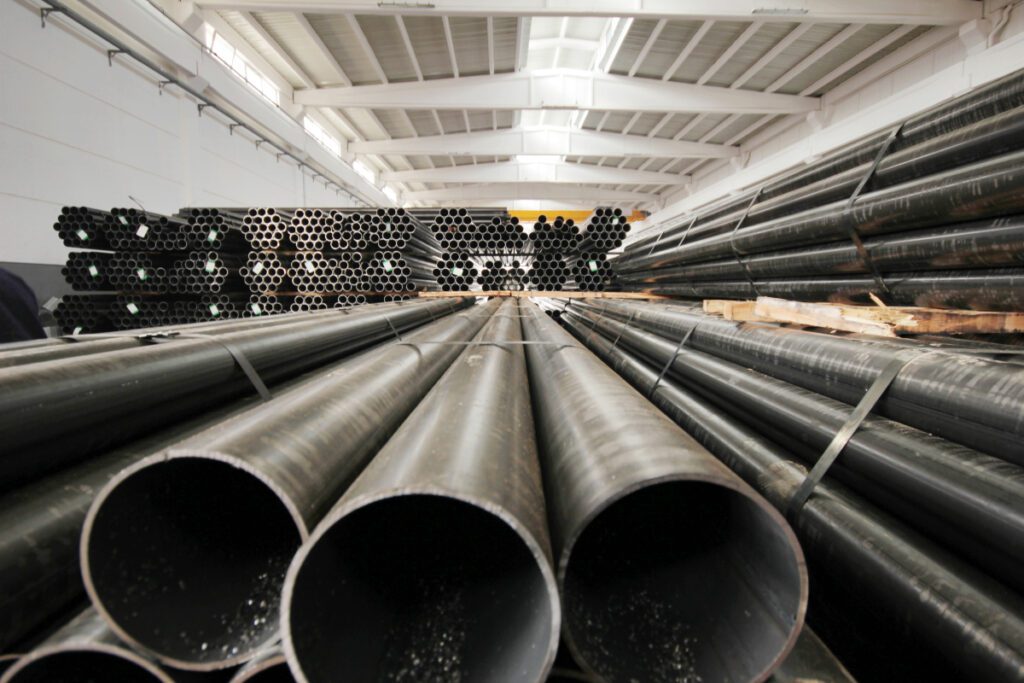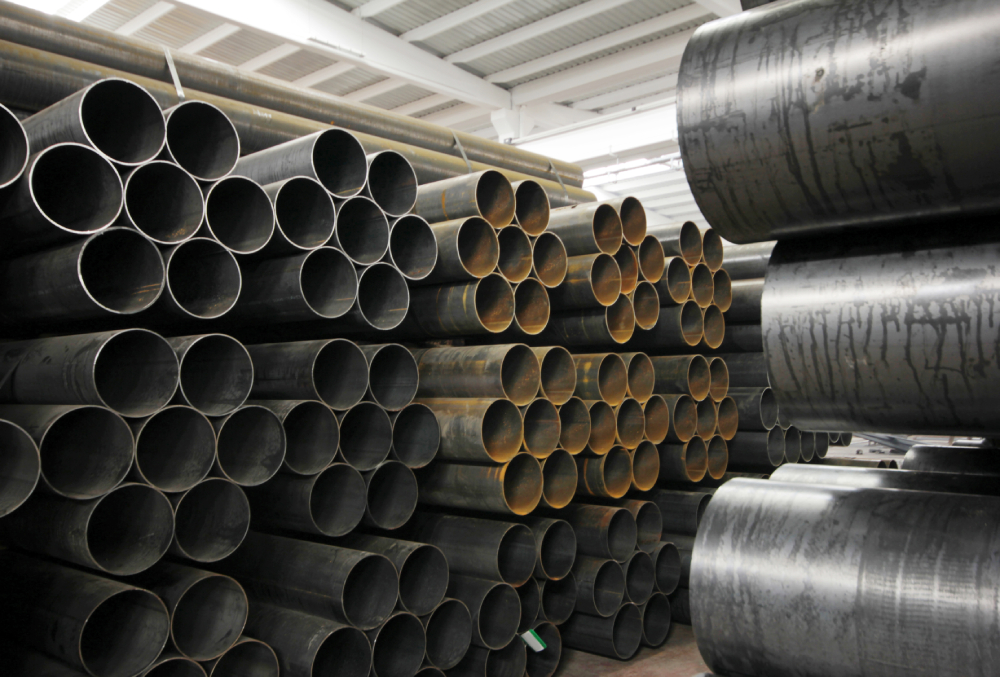
Carbon steel is a metal alloy made from iron and carbon, with varying carbon content depending on the grade. Unlike stainless steel, it doesn’t contain large amounts of chromium, which affects its resistance to rust. It’s widely used in construction, manufacturing, and industrial applications due to its strength, durability, and affordability. From structural beams to polyethylene pipe support systems, carbon steel offers a reliable solution for many heavy-duty uses.
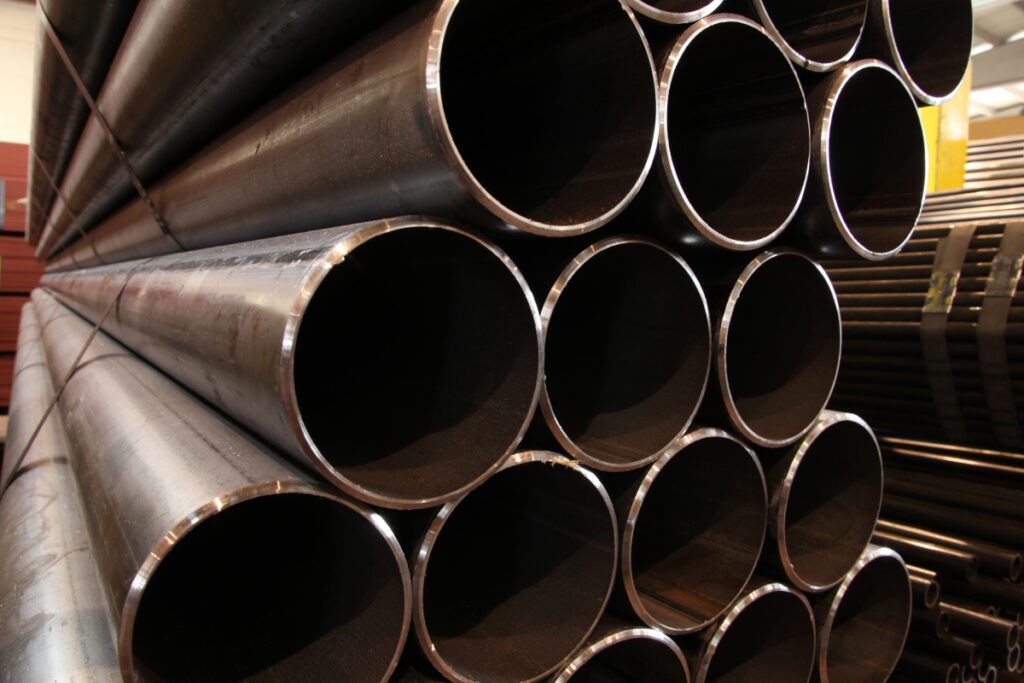
Carbon steel comes in several grades, classified primarily by the amount of carbon content in the alloy. Each type offers unique properties that make it suitable for specific applications across various industries-from structural frameworks to pipe systems like polyethylene pipe and HDPE pipe support.
In terms of tensile strength and hardness, carbon steel-especially in its medium to high carbon forms-often outperforms other steels, making it ideal for structural beams, heavy machinery, and even polyethylene pipe support systems that require solid metal framing. However, higher strength comes with trade-offs such as reduced ductility and lower corrosion resistance, which is why materials like HDPE pipe are sometimes chosen in fluid systems where flexibility and rust-resistance are priorities. Ultimately, if raw strength and cost-efficiency are your primary concerns, carbon steel is often the stronger and more economical option-trusted by industrial equipment suppliers for a wide range of heavy-duty applications.