
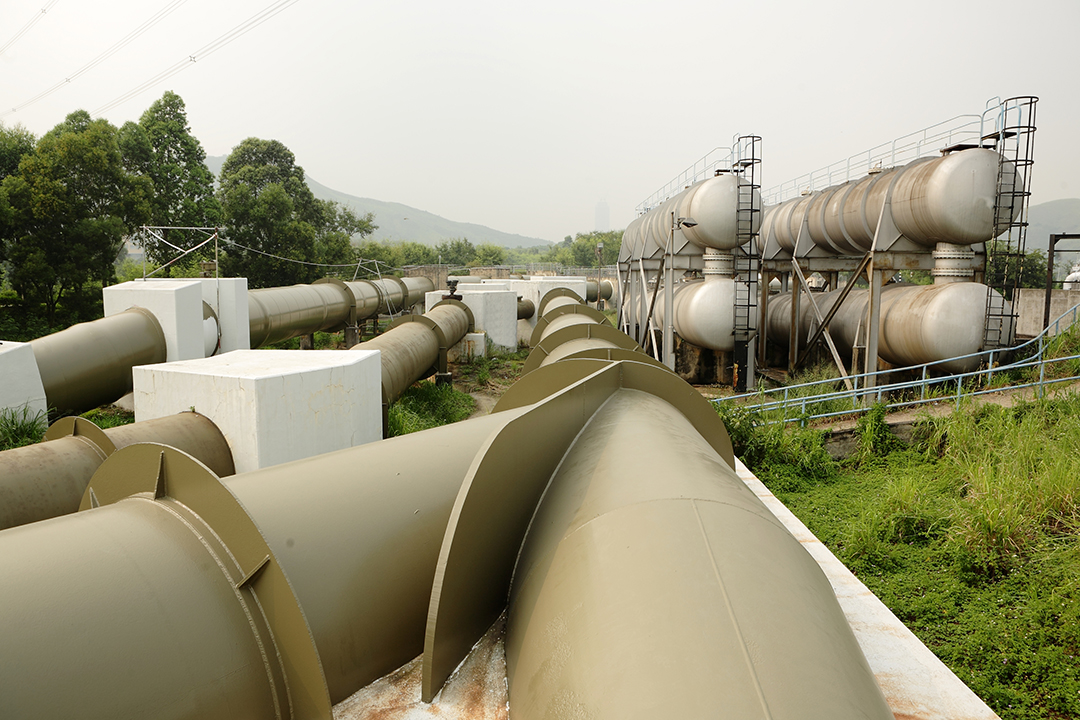
Wastewater and sewage infrastructure requires piping that resists chemical attack, handles variable flows, and complies with strict standards. High-density polyethylene (HDPE) has become the preferred choice due to its durability, flexibility, and long-term reliability. For contractors and engineers, success depends on accurate sizing and proper specifications. This article provides a structured look at HDPE sewer sizing, sewage pipe specs, and how an HDPE wastewater chart can support project planning.
Why HDPE Pipe is Relied On in Wastewater Projects
Wastewater lines are exposed to corrosive liquids, abrasive solids, and shifting soil. Materials like cast iron and concrete often deteriorate under these stresses, leading to costly repairs and environmental hazards. HDPE pipe offers a smooth interior that resists scaling and minimizes blockages, ensuring steady flow in demanding conditions. Its flexibility also reduces the risk of cracks caused by ground movement or temperature shifts. EPA research on wastewater systems highlights HDPE’s role in lowering infiltration and exfiltration, two leading causes of environmental contamination and sewer system failures.
Industry data shows why adoption is accelerating. The global HDPE pipes market was valued at USD 21.8 billion in 2024 and is projected to reach USD 28.5 billion by 2029, expanding at a CAGR of around 5.5 percent. Much of this growth is driven by sewage and drainage applications where reliability and compliance are critical. In the United States, upgrades of aging municipal wastewater systems are pushing demand for higher-grade materials like PE4710 and PE100, which meet stricter sewage pipe specs and deliver long service life with reduced maintenance.
Critical Sewage Pipe Specs That Guide Selection
Sewage networks must perform without failure for decades, making specifications central to decision-making. These specs directly affect flow capacity, joint strength, and regulatory compliance:
- Dimension ratio (SDR): A lower SDR indicates a thicker wall and a higher pressure rating. Options like DR11 or DR17 are often used in wastewater projects.
- Material grade: PE100 and PE4710 provide greater resistance to stress and are recognized in ASTM F714 and ISO 21307.
- Jointing method: Fusion welding in line with ASTM F2620 procedures ensures leak-free performance.
- Flow requirements: Internal diameter selection should align with peak and average sewage volumes.
- Compliance: Local standards reference EPA guidelines to safeguard environmental quality.
Factors That Shape HDPE Sewer Sizing Decisions
Correct sizing balances hydraulics, structural conditions, and system growth. A shallow approach can lead to oversizing that drives up costs or undersizing that results in blockages. Engineers evaluate multiple considerations:
- Projected peak flow compared to average daily flow
- Slope and gradient, which directly influence velocity in gravity sewers
- Spacing of manholes and inspection chambers
- Capacity for expansion as communities grow
- External loads, including traffic and soil compaction
By following EPA wastewater regulations, municipalities set design margins that account for surges, ensuring systems remain safe and functional even under heavy demand.
HDPE Wastewater Chart showing Diameter and Flow
A wastewater sizing chart simplifies the process of aligning project demand with pipe capacity. Engineers use these tables as a baseline before confirming against local standards and SDR requirements. Below is a reference chart showing approximate capacities under gravity conditions:
| Nominal Diameter (inches) | Inside Diameter (inches) | Approx. Flow Capacity (GPM) | Typical SDR |
| 6 | 5.36 | 450 | DR17 |
| 8 | 7.11 | 850 | DR17 |
| 12 | 10.64 | 2000 | DR17 |
| 18 | 15.95 | 5200 | DR17 |
| 24 | 21.24 | 9500 | DR17 |
While this HDPE wastewater chart provides baseline values, final sizing must consider slope, local code, and SDR selection for wastewater management to achieve accurate designs.
HDPE Compared with Other Sewer Materials
When evaluating pipe materials for wastewater systems, engineers often compare HDPE with PVC, ductile iron, and reinforced concrete. PVC is widely available and inexpensive, but it cannot withstand heavy soil movement and sustained external pressure. Ductile iron provides strong load-bearing capacity but corrodes when exposed to aggressive sewage environments, driving up maintenance costs. Reinforced concrete performs well structurally in certain conditions, yet it is heavy, labor-intensive to install, and prone to cracking over time as soils shift or settle.
HDPE provides an alternative that balances strength, flexibility, and long-term value. With a favorable strength-to-weight ratio, it is easier to handle and install than concrete or iron while still meeting demanding sewage pipe specs. Its resistance to corrosion and abrasion reduces the frequency of repairs, leading to lower lifecycle costs for municipalities and contractors. Backed by standards such as ASTM F714 and ISO 21307, and supported by resources like the HDPE pipe classification guide, HDPE remains a material of choice for sewage infrastructure projects where reliability and compliance are critical.
Installation Practices that Protect System Performance
Proper sizing must be paired with reliable installation techniques to ensure lasting operation. Even the highest quality pipe can fail if installation is not controlled. Contractors follow practices such as:
- Ensuring trench bedding is stable, compacted, and free of sharp debris
- Using fusion rental equipment for joints that comply with ASTM welding standards
- Verifying system integrity with HDPE pipe testing procedures
- Maintaining adequate burial depth to protect against live loads
- Recording inspections for compliance with ISO 21307 and EPA regulations
These methods ensure that HDPE sewage networks will deliver decades of service without unexpected downtime or costly repairs.
Reliable HDPE Wastewater Supply with Coastal Resource Group
Contractors need a dependable partner that understands deadlines and technical requirements. Coastal Resource Group supports wastewater and sewage projects by offering:
- Comprehensive HDPE inventory including DR11, DR17, and specialty grades
- Guidance on sewage pipe specs with resources like SDR rating recommendations
- Fusion and welding support through fusion rentals and industrial welding supplies
- Rapid shipping from Houston and Seguin distribution points
- 24/7 availability with representatives ready to resolve supply challenges anytime
With fast delivery, a one-stop inventory, and technical expertise, Coastal Resource Group keeps wastewater projects on track from planning through completion. Contact us or request a quote today to secure HDPE pipe sizing solutions that meet wastewater and sewage system demands.