Drainage and sewage infrastructure depend on sealed pipe connections to maintain safe and reliable fluid transport. Municipal stormwater systems, wastewater pipelines, and industrial drainage networks operate under varying pressures, temperatures, and chemical conditions. Proper gasket selection helps maintain tight connections between pipe flanges and joints while preventing leaks that could compromise system integrity.
Engineers and maintenance teams evaluate several factors when selecting sealing components, including pipe material, flange design, environmental exposure, and pressure conditions. A properly selected sealing solution supports effective sewage gasket fit, stable stormwater flange gasket performance, and a suitable drain pipe seal type suited to the application. Reliable sealing components help extend the lifespan of infrastructure while minimizing maintenance interruptions.
Role Of Gaskets In Sewage And Drainage Pipe Systems
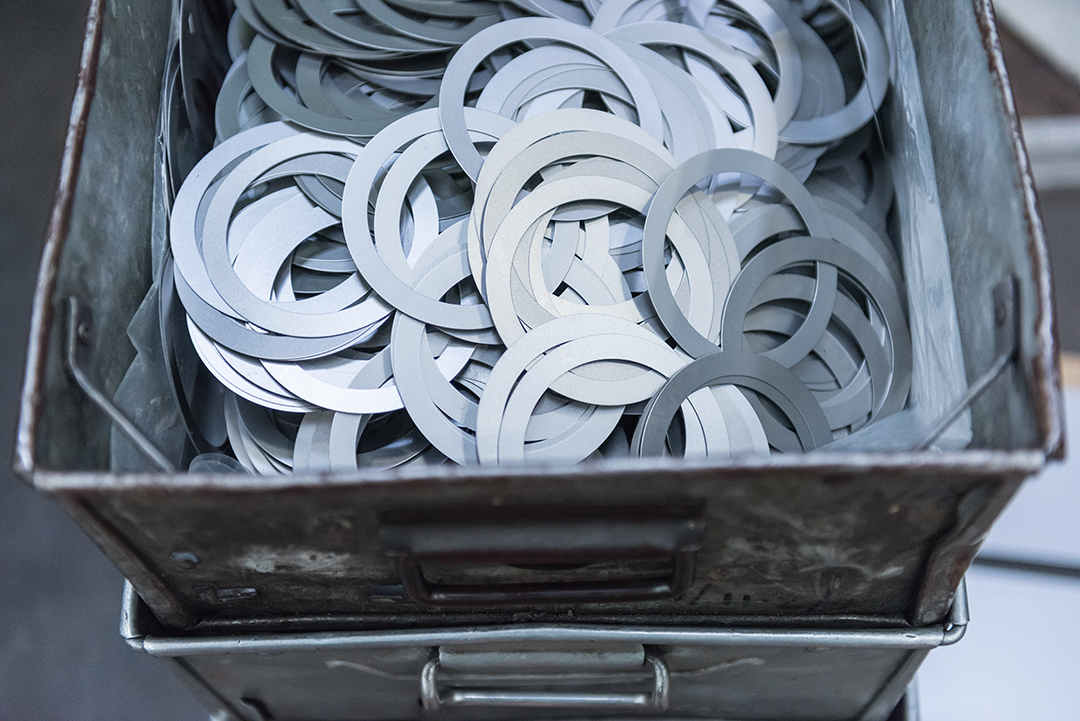
Gaskets serve as sealing barriers positioned between pipe flanges, fittings, or mechanical joints. When compression is applied through bolts or clamping systems, the gasket material fills microscopic surface irregularities between metal or plastic components. This compression creates a pressure-resistant seal that prevents liquid or gas leakage within the pipeline system. The role of gaskets in flanged connections is critical to maintaining system pressure and preventing costly failures.
Drainage networks commonly include components such as carbon steel pipes, HDPE pipelines, stainless steel fittings, and various valve assemblies. Each of these materials may require a different gasket composition depending on chemical exposure and operating pressure. In sewage systems, sealing materials must resist biological contaminants, exposure to moisture, and fluctuating temperatures.
Stormwater pipelines typically transport rainwater runoff that may contain sediment, debris, and environmental contaminants. These conditions place additional demands on sealing components. A properly installed stormwater flange gasket ensures that flange connections remain secure even during heavy rainfall events or sudden flow increases. HDPE pipe systems are widely used in stormwater applications for their durability and resistance to environmental stress.
Factors Influencing Sewage Gasket Fit In Pipeline Connections
Achieving proper sewage gasket fit involves more than selecting the correct gasket diameter. Engineers must evaluate flange surfaces, bolt torque specifications, gasket compression limits, and the mechanical properties of the sealing material. A mismatch between gasket thickness and flange pressure can result in leaks or gasket deformation. Understanding flange and gasket compatibility is essential before specifying sealing components for any pipeline application.
Several key factors influence sealing performance in sewage infrastructure:
- Flange surface condition and flatness
- Bolt tightening sequence and torque levels
- Pipe material compatibility
- Chemical exposure within wastewater systems
- Operating pressure and temperature ranges
- Gasket material compressibility and recovery
In wastewater pipelines, improper compression may cause gasket extrusion or uneven sealing surfaces. Engineers often rely on manufacturer specifications to determine the optimal compression range required for each gasket material. Careful installation helps ensure consistent sealing across the entire flange connection. Reliable sealing is also important for maintaining wastewater containment within municipal systems, which collect and transport sewage to treatment facilities before discharge, as described by the EPA municipal wastewater program.
Stormwater Flange Gasket Materials Used In Municipal Systems
Municipal stormwater infrastructure often requires durable sealing materials capable of withstanding long service intervals. Stormwater flange gasket materials must tolerate exposure to sediment, surface runoff chemicals, and seasonal temperature variations.
Common gasket materials used in drainage infrastructure include elastomeric compounds, fiber-reinforced sheets, and specialized rubber blends designed for water service. Each material provides unique characteristics suited to different environmental conditions. A thorough review of common gasket materials and their applications helps engineers match sealing compounds to specific pipeline conditions.
Typical stormwater flange gasket materials include:
- EPDM rubber for water and weather resistance
- Nitrile rubber that is designed to tolerate oils and hydrocarbons
- Compressed fiber gaskets for moderate pressure connections
- PTFE-based sealing materials used in corrosive environments
EPDM gaskets are frequently selected for stormwater systems due to their resistance to moisture, ultraviolet exposure, and aging. When properly installed between pipe flanges, these materials maintain stable compression even during long-term outdoor operation. The environmental impact of gasket materials is also a growing consideration for municipalities pursuing sustainable infrastructure practices.
Drain Pipe Seal Type Options Used In Wastewater Networks
Different pipeline configurations require different drain pipe seal type options. Mechanical joints, flange connections, and gasketed push-fit pipe systems each rely on specialized sealing designs tailored to the pipe assembly method.
Common seal types used in drainage infrastructure include:
- Flat flange gaskets that are used between bolted pipe flanges
- O-ring seals that are used in gasketed push-fit pipe systems
- Profiled rubber seals that are designed for HDPE or PVC pipelines
- Compression gaskets that are used in mechanical couplings
Flange gaskets remain common in industrial wastewater installations where metal pipe connections require high mechanical strength. O-ring seals and molded elastomeric gaskets are frequently used in municipal pipeline networks where flexible joints allow slight pipe movement without compromising sealing performance.
Selecting the correct drain pipe seal type improves pipeline durability and reduces leakage risks across large drainage networks. ASTM International standards provide accepted specifications for elastomeric seals used in drain, waste, and sewer pipe and fittings, offering a reference point for material selection decisions.
Installation Practices That Improve Seal Performance
Even high-quality gasket materials may fail if installation procedures are incorrect. Proper flange alignment, torque distribution, and gasket positioning all influence the effectiveness of the seal. Installation crews must follow consistent procedures to ensure the gasket compresses evenly between mating surfaces. Detailed guidance on preventing leaks in flanged joints outlines the specific steps that support reliable sealing outcomes.
Best practices during installation include:
- Cleaning flange faces before gasket placement
- Ensuring bolt holes align without forcing pipe connections
- Applying a gradual torque in a cross-bolt tightening pattern
- Avoiding excessive compression that could damage the gasket material
- Confirming gasket alignment before final tightening
Uniform compression ensures that the sealing material maintains contact across the full circumference of the flange. Proper installation practices help extend gasket lifespan and reduce maintenance requirements throughout the drainage system. Process safety management standards from OSHA also address mechanical integrity requirements that apply to pressurized pipeline systems, including flanged connections in industrial environments.
Maintenance Strategies That Reduce Leakage Risks
Routine inspection helps detect early signs of gasket degradation within sewage and stormwater infrastructure. Over time, vibration, pressure cycles, and environmental exposure may cause gasket materials to harden, crack, or lose elasticity. Understanding common causes of gasket failure allows maintenance teams to take corrective action before small deficiencies develop into system failures.
Maintenance teams often monitor pipeline systems for signs such as flange moisture, bolt corrosion, or pressure fluctuations. Early detection allows technicians to replace sealing components before leaks escalate into larger infrastructure failures. Flange bolt condition is a critical inspection point, as bolt degradation directly affects gasket compression and sealing reliability.
Maintenance programs typically include periodic inspection of flange connections, bolt torque verification, and replacement of aging gasket materials. Consistent maintenance helps preserve proper sewage gasket fit and ensures that stormwater flange gasket components continue operating within safe compression limits. Preventive maintenance and system oversight are emphasized across water infrastructure management resources, such as the EPA guidance on drinking water distribution system tools and resources, where ongoing monitoring and maintenance practices are highlighted as key parts of reliable pipeline system operation.
Industrial Supply Support From Coastal Resource Group
Reliable drainage and sewage infrastructure depends on dependable materials and supply chains. Coastal Resource Group supports industrial operations with a wide range of pipe system components, including valves and fittings, HDPE pipe systems, and essential industrial materials used in infrastructure projects.
Operations managing large pipeline networks often require rapid access to replacement components and sealing materials. Coastal Resource Group helps streamline procurement by providing centralized sourcing across pipe systems, industrial consumables, and related supply needs. Their service model supports industries including petrochemical, industrial manufacturing, infrastructure construction, and energy operations. Coastal Resource Group offers:
- Pipe valves and fittings across multiple material grades
- HDPE pipe systems and related connection equipment
- Industrial tools and maintenance supplies
- Safety equipment and operational consumables
- Logistics solutions designed to support urgent material delivery
Organizations maintaining wastewater pipelines, drainage systems, and stormwater infrastructure depend on reliable industrial materials and a consistent supply chain. At Coastal Resource Group, we help keep projects moving with responsive sourcing and dependable industrial solutions. Contact us today to discuss your material needs or request a quote.