
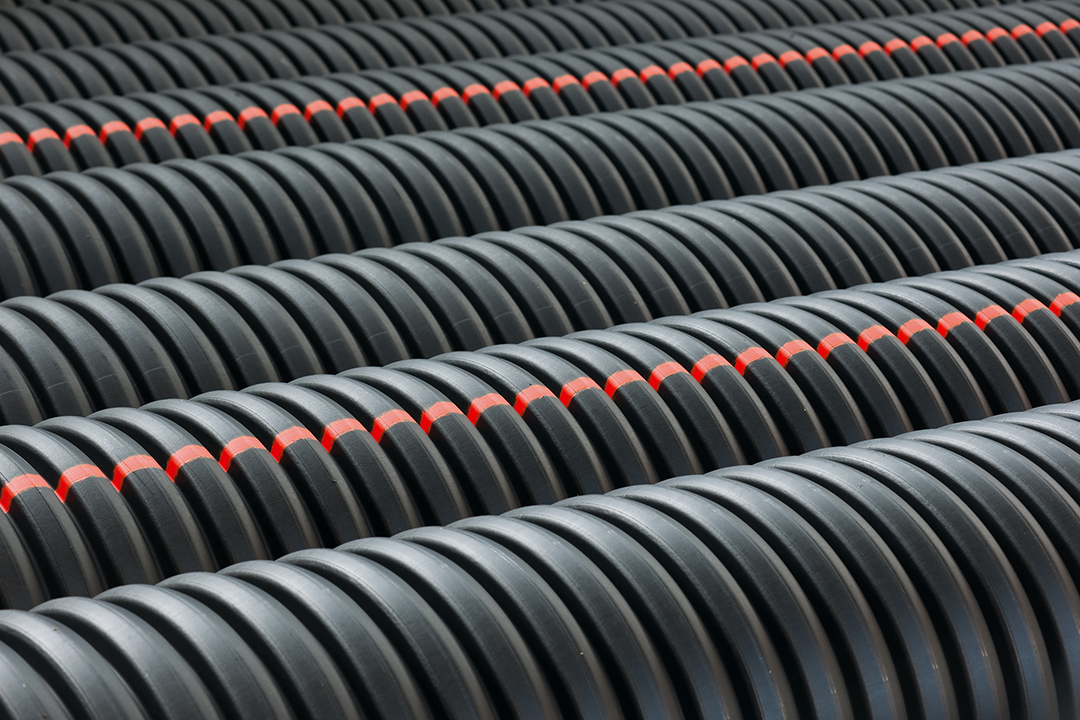
The midstream oil and gas sector keeps changing with new technology. Companies want safer, more efficient, and reliable systems. High-density polyethylene (HDPE) pipes are now widely used. They have changed how energy companies move and distribute fluids.
Modern midstream operations need materials that can handle tough conditions. These materials must stay strong for many years. HDPE pipes work well for a variety of jobs. They are flexible, strong, and resist chemicals better than old materials.
What Makes HDPE Different for Energy Use
High-density polyethylene is a plastic that is very strong for its weight. It also resists chemical reactions very well. The material bends easily but stays rigid enough to carry pressurized fluids.
PE4710 is a special type of HDPE used for midstream HDPE work. It has better performance for moving oil and gas. This type is strong enough and lasts long enough for tough pipeline jobs.
Polyethylene does not react with most chemicals found in oil and gas work. It resists damage from oil, acids, bases, and saltwater. Traditional pipe materials often break down when they come into contact with these substances.
How HDPE Pipes Work in Pipeline Systems
Adding HDPE pipes to midstream operations needs careful planning. Engineers must think about pressure, temperature, soil type, and what fluids will flow through the pipes. These factors help choose the right polyethylene oil transport setup.
Heat welding joins HDPE pipes together. This makes joints stronger than the pipe itself. Unlike bolted connections, welded joints do not leak. This helps pipeline integrity poly systems work better for many years.
HDPE pipes bend easily. This means they can be installed on uneven ground without special joints or fittings. This works well in midstream jobs where pipes must go over hills and valleys while staying strong under different loads.
Why HDPE Pipes Last Longer
Steel pipes have problems with rust on both their inside and outside surfaces. HDPE pipes do not rust at all. They resist chemicals and do not corrode like metal pipes. This works for both the fluids inside and materials like soil and water outside.
HDPE pipes do not crack easily when exposed to weather. The material works well in hot and cold weather. Unlike metal pipes, HDPE does not need special coatings to prevent rust. This makes installation easier and costs less to maintain.
Bacteria and other organisms do not grow well on HDPE pipes. The smooth inside surface and chemical resistance stop biofilm buildup. This keeps the pipes flowing well and prevents problems that happen with other materials.
Installing HDPE Pipes is Easier and Faster
Installing HDPE pipes is better than installing steel pipes. Less digging is needed, and the work gets done faster. Special methods like directional drilling work well with flexible pipes that can be welded easily.
Small pipes come on big rolls. This means fewer joints are needed during installation. Fewer joints mean fewer places for problems and faster job completion. HDPE pipes are also lighter than steel, so they need less heavy equipment to move.
After installation, pipes must be tested with water pressure. HDPE pipes handle this testing well without getting damaged. This allows for a complete system check before the pipes start working.
Cost Benefits Over Time
HDPE pipe systems save money in many ways. The savings go beyond just the purchase of the pipes. They include installation, operation, and maintenance costs. Lower weight means cheaper shipping. Easier installation means less labor and faster project completion.
| Cost Factor | HDPE Advantage |
| Transportation | 50% lighter than steel |
| Installation Time | 30-40% faster |
| Maintenance | No rust protection needed |
| Energy Use | Smooth surface reduces pumping costs |
Operating costs are lower because the smooth inside surface of HDPE pipes requires less energy to pump fluids. This smooth surface stays the same over time. Steel pipes can get rougher as they age and rust. Value analysis studies comparing HDPE and reinforced concrete pipes also highlight long-term cost savings in transportation, installation, and maintenance.
Maintenance costs are very low for HDPE systems. There is no rust, so no need to fix coatings or replace corroded pipes. This saves money year after year.
Rules and Standards for HDPE Pipes
Using HDPE in midstream work must follow industry rules and standards. Groups like ASTM and AWWA make rules about material quality, testing, and installation. These rules help make sure pipes work safely.
Pipeline integrity management programs work better with HDPE materials. Since there is no rust, it is easier to predict how long the pipes will last. This helps companies plan better and follow safety rules.
Environmental rules often prefer materials that reduce the risk of soil and water contamination. HDPE joints do not leak and resist chemicals. This helps companies follow environmental laws and avoid cleanup costs.
Technical Details and Performance Numbers
Choosing HDPE pipes for midstream work requires looking at many performance factors. Operating pressure, temperature limits, and pipe sizes must match what the system needs and what regulations require.
Standard dimension ratios (SDR) show the relationship between pipe width and wall thickness. This directly affects pressure ratings and how much material is needed. Common SDR values for midstream work range from 7 to 21. Lower numbers mean thicker walls and higher pressure ability.
Heat makes polyethylene expand and contract. System design must account for this movement through proper anchoring and room for the pipe to move. The material’s flexibility usually absorbs heat stress without needing extra expansion joints.
Quality Control and Testing Methods
Making HDPE pipes requires careful quality control and testing. This makes sure the material properties, sizes, and performance meet standards. Raw material testing checks that the plastic grade and additives are correct.
Pressure testing checks how well finished pipes resist pressure over time. These tests predict performance for many years of use. This gives confidence that the system will be reliable and safe.
Field testing during installation includes checking weld quality, pressure testing, and measuring pipe dimensions. These steps make sure installed systems meet design specs and regulations before they start working.
Future Improvements and New Technology
Research and development work continues to make HDPE materials better and expand what they can do, with innovations in HDPE tubing improving durability and performance in harsh conditions. New plastic formulas promise better high-temperature performance and better resistance to specific chemicals found in changing oil and gas operations.
Smart pipeline technology puts sensors and monitoring systems into HDPE pipes to give real-time performance data. These systems allow for better maintenance planning and improved efficiency through constant system monitoring.
Sustainable manufacturing and recycling programs match industry environmental goals while keeping the performance needed for midstream work. Development of bio-based polyethylene alternatives represents a new trend in sustainable pipeline materials.
Real Examples and Success Stories
Successful HDPE pipeline installations in midstream operations show the material’s versatility and reliability across various uses. Natural gas gathering systems, crude oil transportation, and produced water handling are common uses where polyethylene systems have proven their value.
Performance data from long-term installations validates the predicted service life and maintenance needs of HDPE systems. These real-world results support the continued adoption and expansion of polyethylene applications in midstream operations.
Studies comparing HDPE and traditional materials highlight the total cost advantages achieved through reduced maintenance needs and longer service life. These analyses support informed decision-making for new pipeline projects and replacement applications.
Partner with Coastal Resource Group for HDPE Solutions
HDPE pipeline technology represents a big step forward in midstream oil and gas operations. The combination of chemical resistance, mechanical strength, and installation flexibility makes polyethylene systems the preferred choice for modern energy infrastructure projects.
Coastal Resource Group provides comprehensive HDPE solutions for your midstream pipeline projects:
- Large inventory of PE4710 pipes in various sizes and specifications
- Professional fusion equipment and installation accessories
- Technical expertise from design through commissioning
- Multiple Texas facilities for fast delivery and support
Ready to improve your pipeline operations with HDPE technology? Contact us today to discuss your project requirements and get a custom quote for your midstream pipeline needs.