
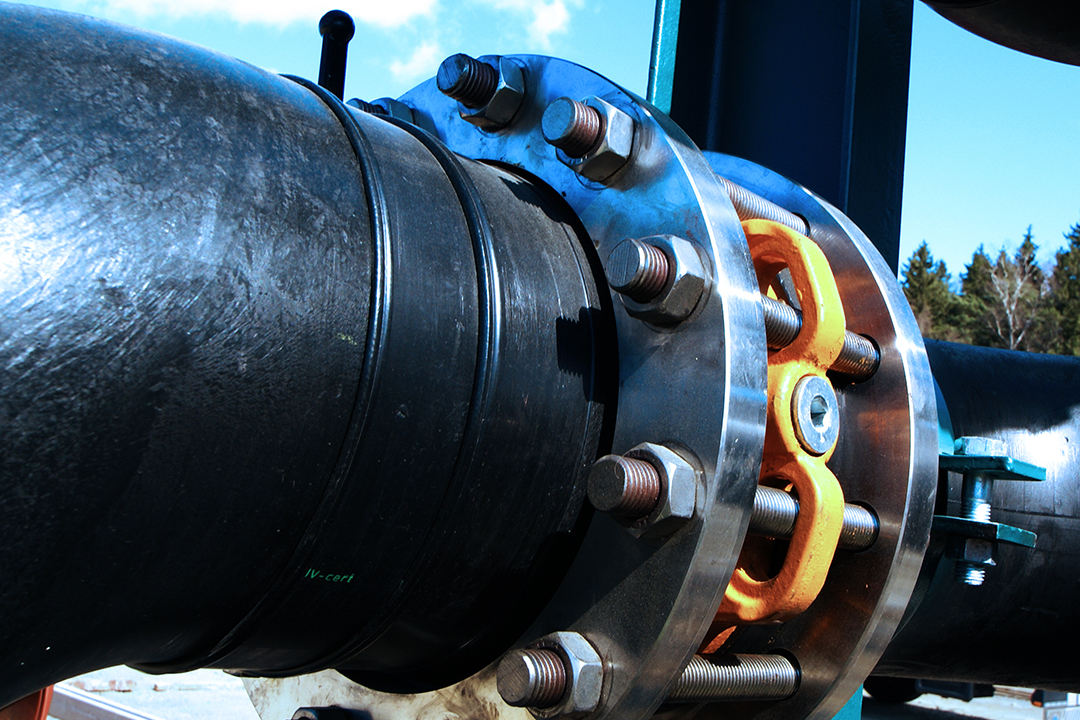
Potable water systems rely on precise mechanical connections that maintain pressure control, hygiene, and long-term reliability. Among these components, ANSI-rated flanges serve as standardized connection points used across treatment plants, pumping stations, storage facilities, and distribution networks. Proper application of an ANSI potable flange helps control internal pressure while supporting drinking water regulations tied to public health safety.
Flange ratings are not interchangeable across all water systems. Pressure limits, temperature ranges, and material selection must align with system conditions to prevent leaks, deformation, or premature failure. A clear grasp of water flange ratings allows engineers and procurement teams to specify components that meet operational demands without exceeding design constraints.
ANSI Flange Rating Systems and Industry Scope
ANSI flange ratings define allowable pressure limits at specified temperatures. These ratings originated as part of unified dimensional and performance standards developed under ASME pressure piping standards that support interchangeability across manufacturers. In potable water infrastructure, these standards help ensure compatibility between valves, pipes, pumps, and pipe valves and fittings sourced from different suppliers.
Pressure class flange designations commonly used in water systems include Class 150, Class 300, and occasionally higher classes where elevated pressures are present. Each class establishes maximum allowable working pressure based on material type and operating temperature. These ratings are conservative by design, allowing safety margins across long service life cycles.
Pressure Class Flange Limits Within Water Networks
Pressure class flange selection is directly tied to system hydraulic conditions. Municipal and industrial potable water systems often operate at moderate pressures, yet surge events, pump cycling, and elevation changes must be accounted for during specification. Water distribution pressure management is a well-documented discipline that informs how these ratings are applied across networks of varying scale.
| Pressure Class | Typical Working Pressure | Common Applications |
| Class 150 | Up to 285 psi at ambient temperature | Distribution mains, low-pressure treatment lines |
| Class 300 | Up to 740 psi at ambient temperature | Pump discharge, elevated pressure zones |
| Class 600 | Up to 1480 psi at ambient temperature | Specialty industrial water systems |
Water flange ratings must be evaluated against maximum transient pressures rather than average operating values. Overspecification may raise the costs of a water system unnecessarily, while underspecification increases failure risk. Understanding the full range of industrial flange types helps inform appropriate selection for each stage of a water system.
Material Selection Factors Used With ANSI Potable Flange
Material compatibility plays a major role in potable water flange selection. Common materials include ductile iron, carbon steel, stainless steel, and HDPE stub-end assemblies paired with backing rings. Each material responds differently to pressure, temperature, and chemical exposure.
- Ductile iron flanges offer corrosion resistance and flexibility in buried systems
- Carbon steel flanges provide strength in exposed mechanical rooms
- Stainless steel flanges support hygienic environments with low corrosion risk
- HDPE flange adapters support fusion-based piping networks
ANSI potable flange materials must also comply with drinking water contact standards. Surface coatings, linings, and alloy composition are reviewed during procurement to align with water quality requirements. Components used in potable water contact are evaluated against NSF/ANSI 61 certification for drinking water system components.
Temperature Effects on Water Flange Ratings
Although potable water systems usually operate near ambient temperature, ANSI flange pressure ratings are temperature dependent. As operating temperature increases, allowable pressure decreases. This relationship is documented within standard rating tables used during system design.
Heated washdown systems, disinfection cycles, and industrial potable loops may approach upper temperature thresholds. Pressure class flange ratings must be reviewed under worst-case temperature scenarios rather than nominal conditions.
Failure to account for temperature derating can result in gasket extrusion, bolt relaxation, or flange face distortion over time.
Gasket and Bolt Interaction With Pressure Class Flange
Flange ratings apply to the entire joint assembly, not only the flange body. Flange and gasket compatibility directly influences joint performance under pressure. Soft elastomer gaskets used in potable water systems require uniform compression to maintain seal integrity.
Selecting the correct pipe flange bolts for each pressure class ensures the joint achieves its rated capacity under operating conditions. Bolt selection is matched to flange material and pressure class. Improper bolt grade or torque values may prevent the joint from reaching its rated pressure capacity. Following proper procedures for flange bolt installation and tightening is essential for ANSI assemblies to perform at their rated capacity.
Regulatory and Compliance Considerations
Potable water infrastructure is governed by state and federal regulations tied to public health protection. ANSI flange components used within these systems must meet applicable dimensional standards and material compliance requirements. The Safe Drinking Water Act establishes the federal framework within which material and performance standards are applied to public water systems.
Documentation such as mill test reports, pressure rating charts, and material certifications supports system audits and commissioning processes. Water flange ratings are often reviewed during project approval stages to verify consistency with engineering design criteria. Material decisions around corrosion-resistant bolts in potable water systems carry the same compliance weight during procurement reviews.
Application Alignment Across Project Phases
ANSI flange ratings influence decisions across design, procurement, installation, and maintenance phases. Early alignment between engineering and supply teams reduces mismatch risks during construction. Consistent pressure class flange selection across valves, fittings, and piping assemblies improves long-term system reliability.
Standardization also simplifies maintenance by allowing replacement components to be sourced without custom fabrication or extended lead times. Industry standards for water infrastructure provide additional benchmarks for material and equipment consistency across municipal and industrial projects.
Industrial Supply Support From Coastal Resource Group
Coastal Resource Group supports potable water and industrial infrastructure projects by delivering coordinated material sourcing backed by responsive, around-the-clock supply services. Our experience across pipe systems, valves, fittings, HDPE assemblies, and specialty materials enables pressure-class flange selection to stay aligned with compliance requirements, operating conditions, and project timelines. We offer:
- ANSI-rated flanges matched to potable water pressure and temperature limits
- Carbon steel, stainless steel, ductile iron, and HDPE flange solutions
- Integrated pipe, valve, and fitting packages to maintain rating consistency
- Material documentation supporting water system compliance reviews
- Fast-functional logistics supporting scheduled and emergency deliveries
- Centralized sourcing that reduces vendor complexity across projects
Building out a potable water system? Coastal Resource Group supplies bulk flange bolts rated for water infrastructure. Reliable flange selection begins with a supply partner that understands pressure ratings, material compatibility, and field demands. Contact us today to support potable water projects with dependable ANSI potable flange solutions and responsive industrial supply services.